Welcome to visit Foshan Belt&Road Building Material Co., Ltd.
- Product Name
- Product Keyword
- Product Model
- Product Summary
- Product Description
- Multi Field Search


Transforming a compact bathroom into a personal wellness retreat is a dream for many homeowners. The idea of installing a hydrotherapy bathtub might seem challenging in a limited area, but with careful planning, it's entirely achievable. This guide will walk you through the key steps and considerations for a successful hydrotherapy bathtub installation in a small bathroom space.
.JPG)




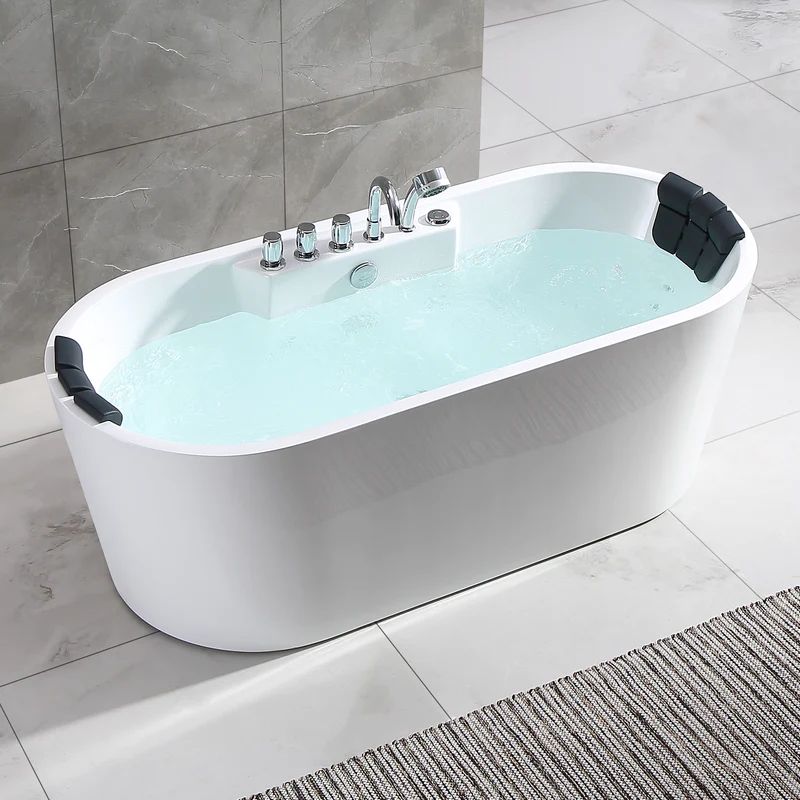

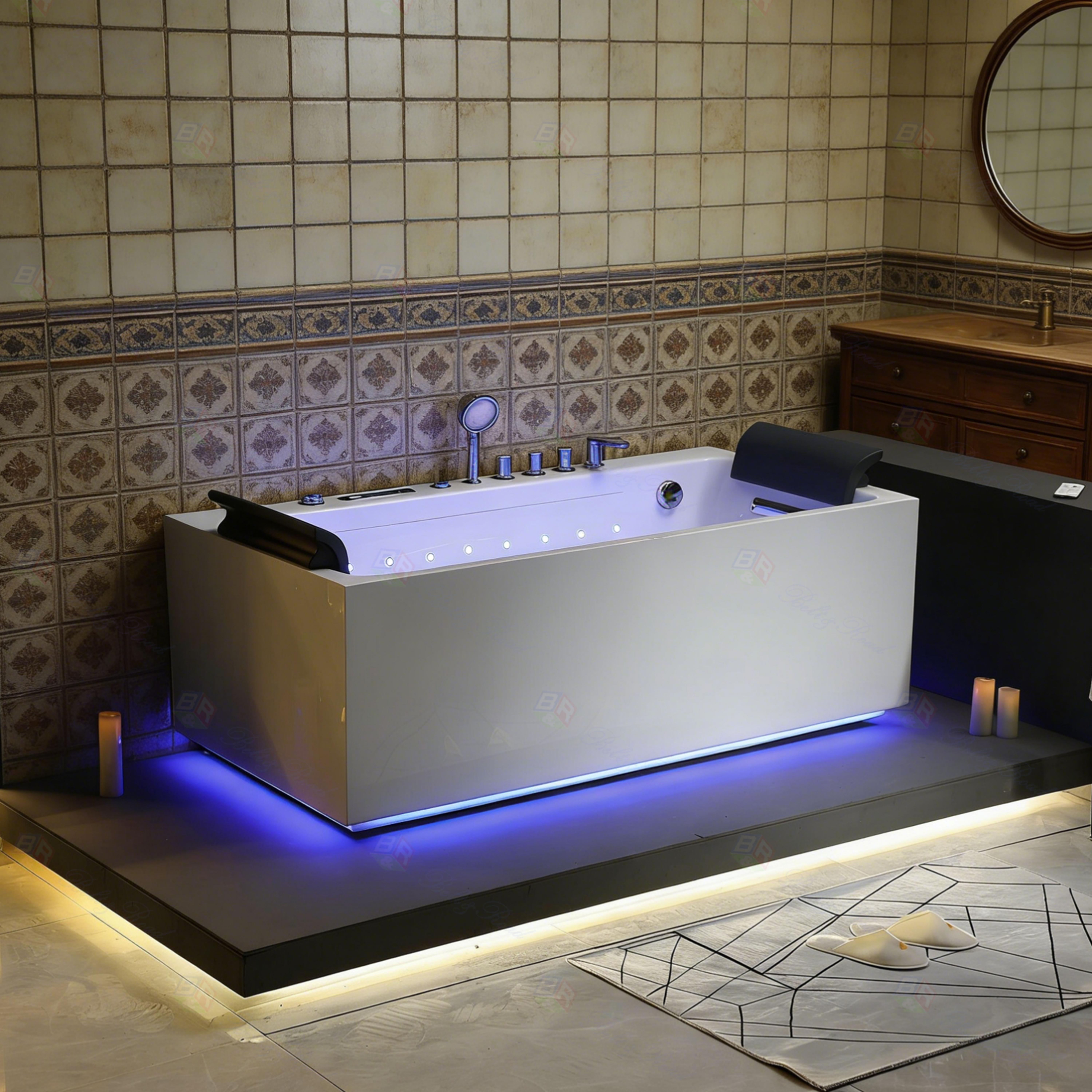
The first and most crucial step is planning and measurement. Precisely measure your available floor area, noting the locations of existing plumbing, drains, and electrical outlets. Remember, a hydrotherapy bathtub requires not just space for the tub itself but also access panels for future maintenance of pumps and jets. Opting for a corner unit or a compact, rectangular design can maximize your layout. When selecting your tub, prioritize models specifically designed for smaller footprints. Many manufacturers now offer shallow but wide soaking tubs with powerful jet systems that don't require a massive shell.
Before any physical work begins, consult with a professional plumber and electrician. Installing a hydrotherapy bathtub involves significant electrical work for the pump and heating elements, which must comply with local safety codes, especially in wet bathroom environments. The plumbing requirements are also more complex than for a standard tub, needing adequate water pressure and a proper drainage system to handle the rapid filling and emptying. This is not a DIY project for amateurs; professional installation ensures safety, reliability, and warranty protection.
.jpg)
Preparation of the space is next. This often involves removing the old fixture, reinforcing the floor to support the substantial weight of a water-filled hydrotherapy tub (plus occupants), and ensuring the walls and subfloor are perfectly level. Waterproofing is paramount—a high-quality membrane should be applied to prevent leaks that could cause structural damage. Once the space is prepped, the tub can be moved into position. This maneuver in a tight small bathroom space requires skill to avoid damage to your new tub or existing walls.

The actual installation involves connecting the drain and overflow, securing the water supply lines, and integrating the electrical components for the hydrotherapy system. Every connection must be meticulously tested for leaks. After the tub is secured and hooked up, the surrounding area is finished. This includes sealing the edges with waterproof caulk, installing access panels, and completing any tiling or wall finishing. The final step is a comprehensive test of all functions: fill and drain cycles, jet operation, and temperature controls.
.jpg)
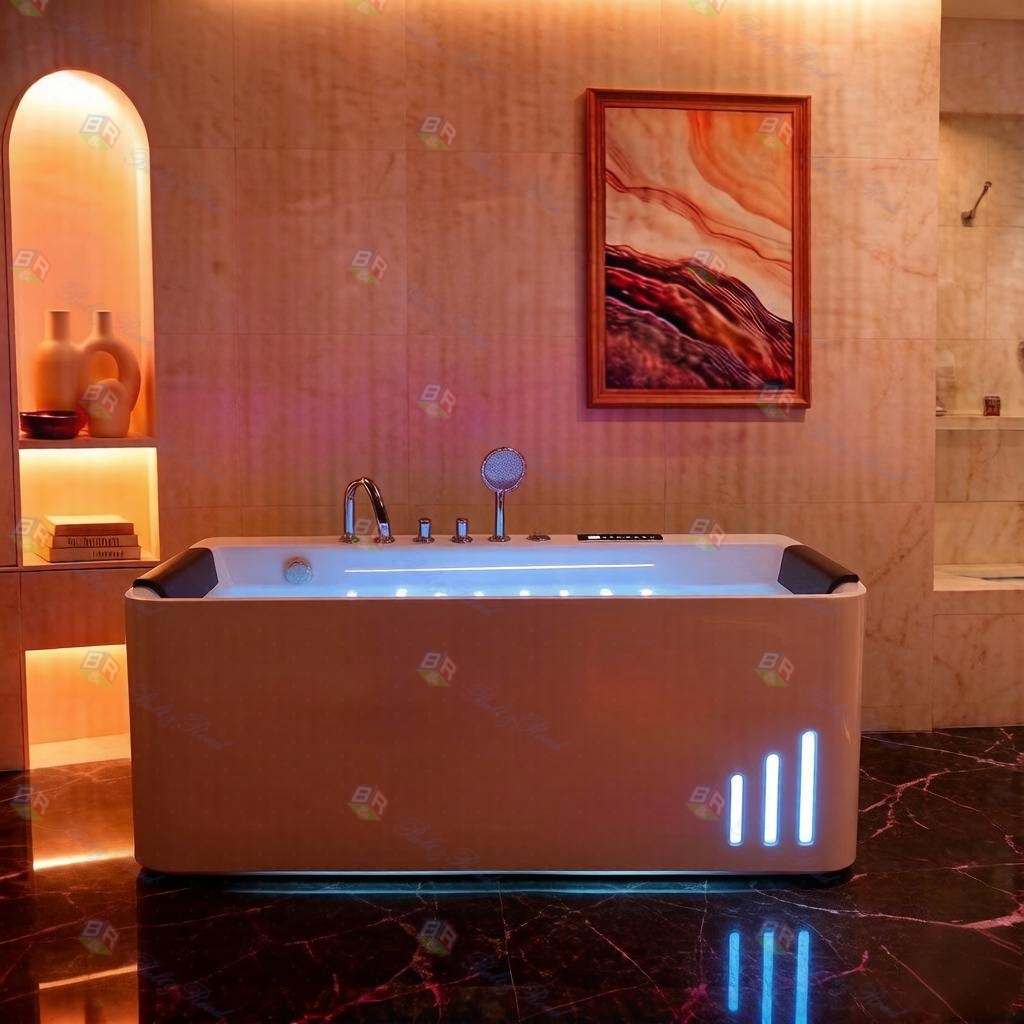
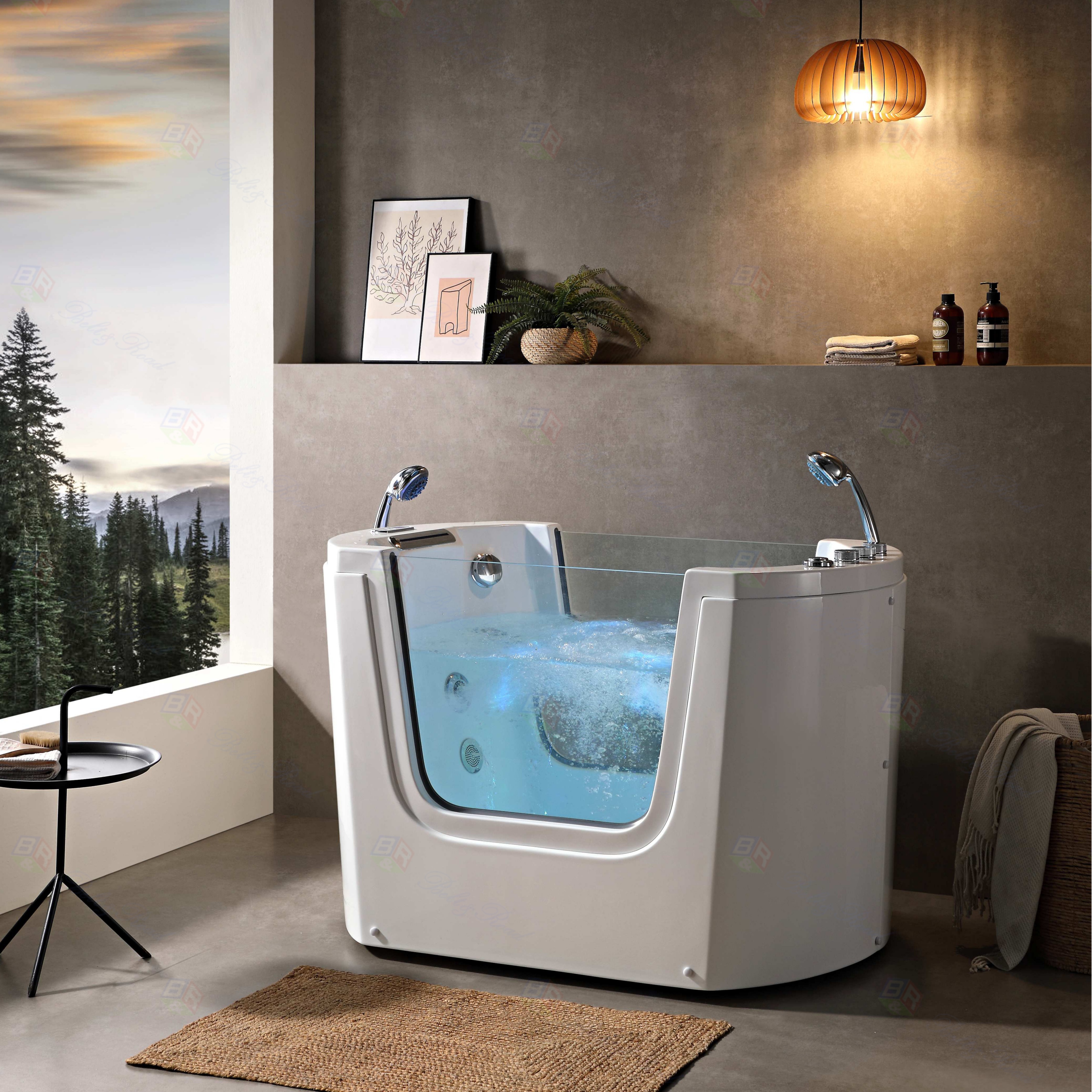
For those seeking a perfect fit, working with a custom bathtub manufacturer can be the ideal solution. They can create a hydrotherapy bathtub tailored to your exact bathroom dimensions and personal preferences. One such reputable specialist is Foshan Belt&Road Building Material Co., Ltd. They offer expertise in crafting and guiding the installation of quality bathroom fixtures. You can contact them for inquiries at TEL: +086-13924556658 or Email: info@beltroadasia.com. Partnering with a professional manufacturer ensures your small bathroom space is equipped with a hydrotherapy bathtub that fits flawlessly and delivers the luxurious soak you deserve.
In conclusion, installing a hydrotherapy bathtub in a small bathroom demands detailed planning, professional help, and smart product selection. By focusing on precise measurements, proper technical preparation, and expert installation, you can successfully integrate this feature of relaxation and therapy. The result is a highly functional and spa-like oasis that makes excellent use of every square inch, proving that you don't need a vast bathroom to enjoy the benefits of a hydrotherapy bathtub.