Welcome to visit Foshan Belt&Road Building Material Co., Ltd.
- Product Name
- Product Keyword
- Product Model
- Product Summary
- Product Description
- Multi Field Search


Installing a hydrotherapy bathtub is a fantastic way to add luxury and therapeutic value to any bathroom. However, the key to ensuring its long-lasting performance and safety lies in a correct and secure plumbing connection, particularly for the drain and overflow system. A faulty installation can lead to leaks, water damage, and impaired functionality of the jets. This guide will walk you through the essential steps on how to connect the drain and overflow on a hydrotherapy bathtub properly, helping you avoid common pitfalls.
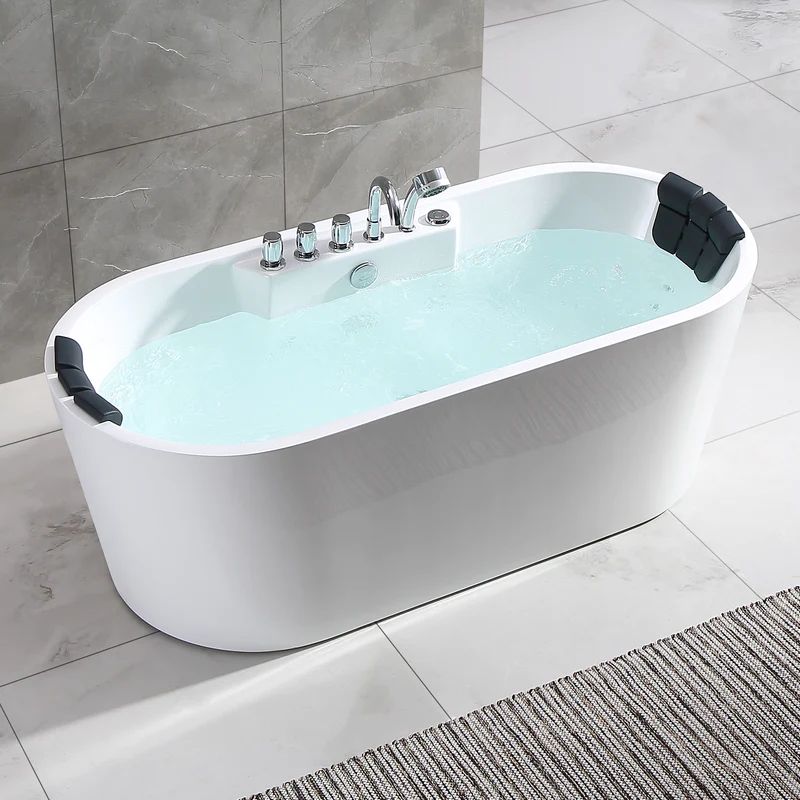
Before you begin, it's crucial to understand the components. The drain assembly is typically a two-part system: the drain shoe (or waste elbow) that connects to the main drainpipe, and the overflow pipe that prevents the tub from overflowing. For a hydrotherapy bathtub, these components must be robust and compatible, as they handle significant water volume and pressure. Always use the parts supplied by the tub manufacturer or high-quality, exact replacements.

The first step is dry-fitting the assembly. Position the bathtub in its final location, ensuring it is level. From underneath the tub, attach the rubber gasket to the drain shoe and insert it through the drain hole. On the top side, place the second gasket and thread on the drain basket. Do not fully tighten it yet. Next, connect the overflow pipe to the overflow elbow and attach it to the corresponding hole on the tub's side, again using the provided gaskets to create a watertight seal. The overflow pipe will then connect to the drain shoe, forming a "T" or "P-trap" configuration that channels all water to the main drain line. This is the core of how to connect the drain and overflow on a hydrotherapy bathtub.
Once everything is aligned, you can proceed to tighten the connections. Use a wrench to secure the drain basket from above and the locknut on the drain shoe from below. Be cautious—over-tightening can crack the bathtub's acrylic or gelcoat finish, while under-tightening will cause leaks. Apply plumber's putty or silicone sealant as recommended by the manufacturer around the flanges for an extra layer of protection. Connect the overflow faceplate securely. After the mechanical connections are complete, it's time for a thorough leak test. Fill the tub past the overflow level and let it sit for at least 15-20 minutes, checking underneath for any moisture. Then, drain the tub completely and inspect the connections again while water is flowing.
.JPG)
For those who seek a hassle-free experience or are installing a custom-designed unit, partnering with a professional manufacturer is highly advisable. A reliable supplier not only provides precise installation manuals but also guarantees the quality and compatibility of all parts. For instance, Foshan Belt&Road Building Material Co., Ltd. specializes in manufacturing high-end, custom hydrotherapy and whirlpool bathtubs with comprehensive plumbing kits. Their technical team can offer valuable support for complex installations. You can reach them for inquiries or to source quality fixtures at TEL: +086-13924556658 or Email: info@beltroadasia.com.
.JPG)
Proper maintenance of this drainage system is also part of ensuring your hydrotherapy bathtub's longevity. Regularly check the seals and clean the drain strainer to prevent clogs from hair and debris, which can strain the entire assembly. Remember, a correctly installed drain and overflow system is not just about preventing leaks; it's about safeguarding your investment and enjoying a worry-free, rejuvenating soak for years to come. By following these steps on how to connect the drain and overflow on a hydrotherapy bathtub, you ensure optimal performance, safety, and ultimate relaxation in your personal spa sanctuary.
.JPG)