Welcome to visit Foshan Belt&Road Building Material Co., Ltd.
- Product Name
- Product Keyword
- Product Model
- Product Summary
- Product Description
- Multi Field Search

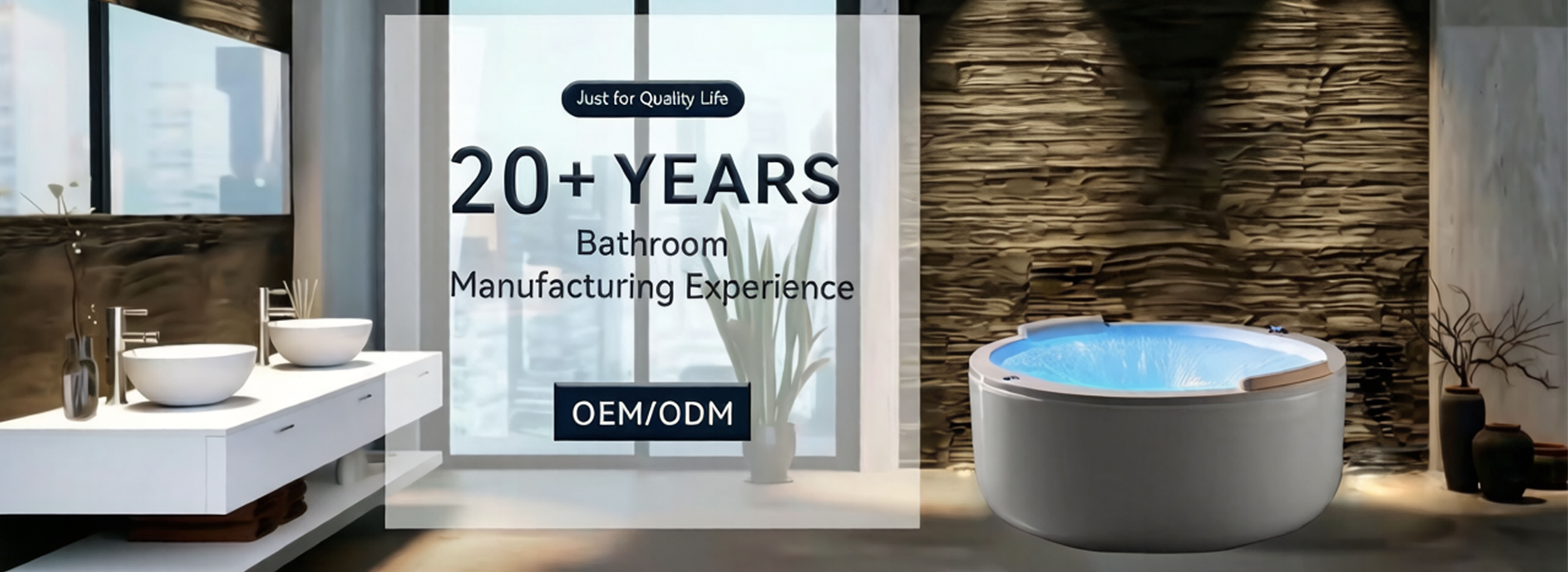


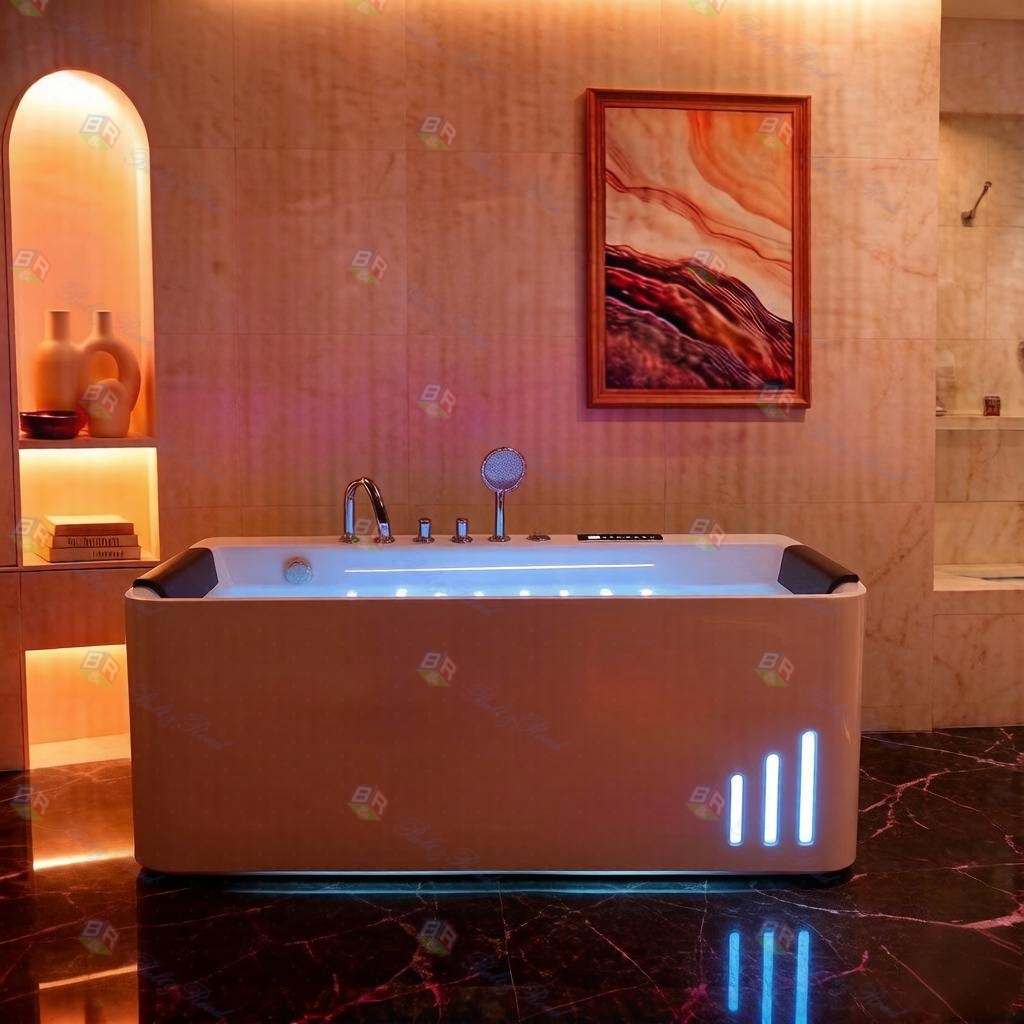


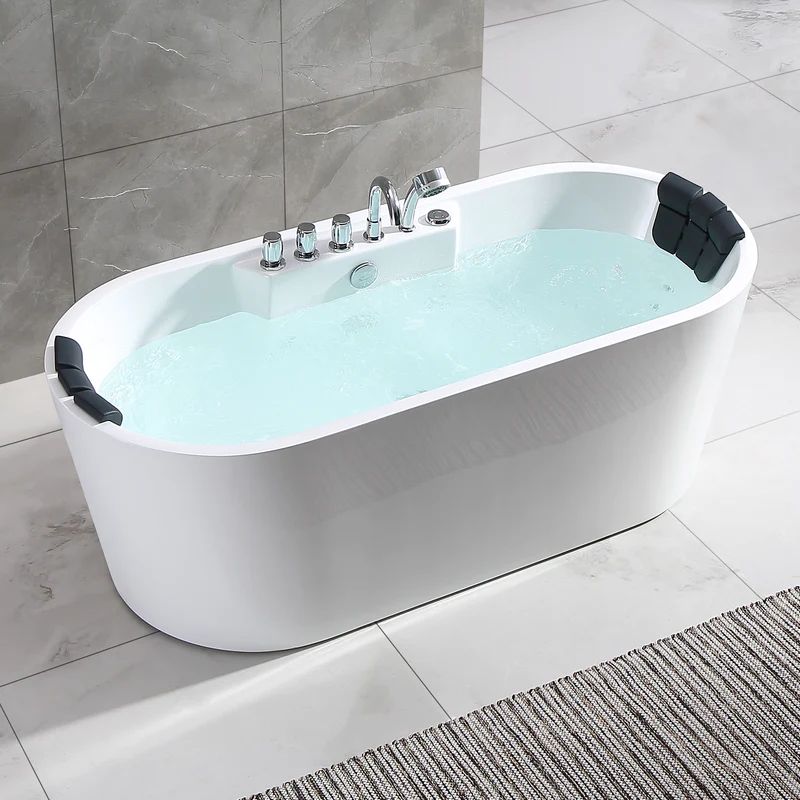

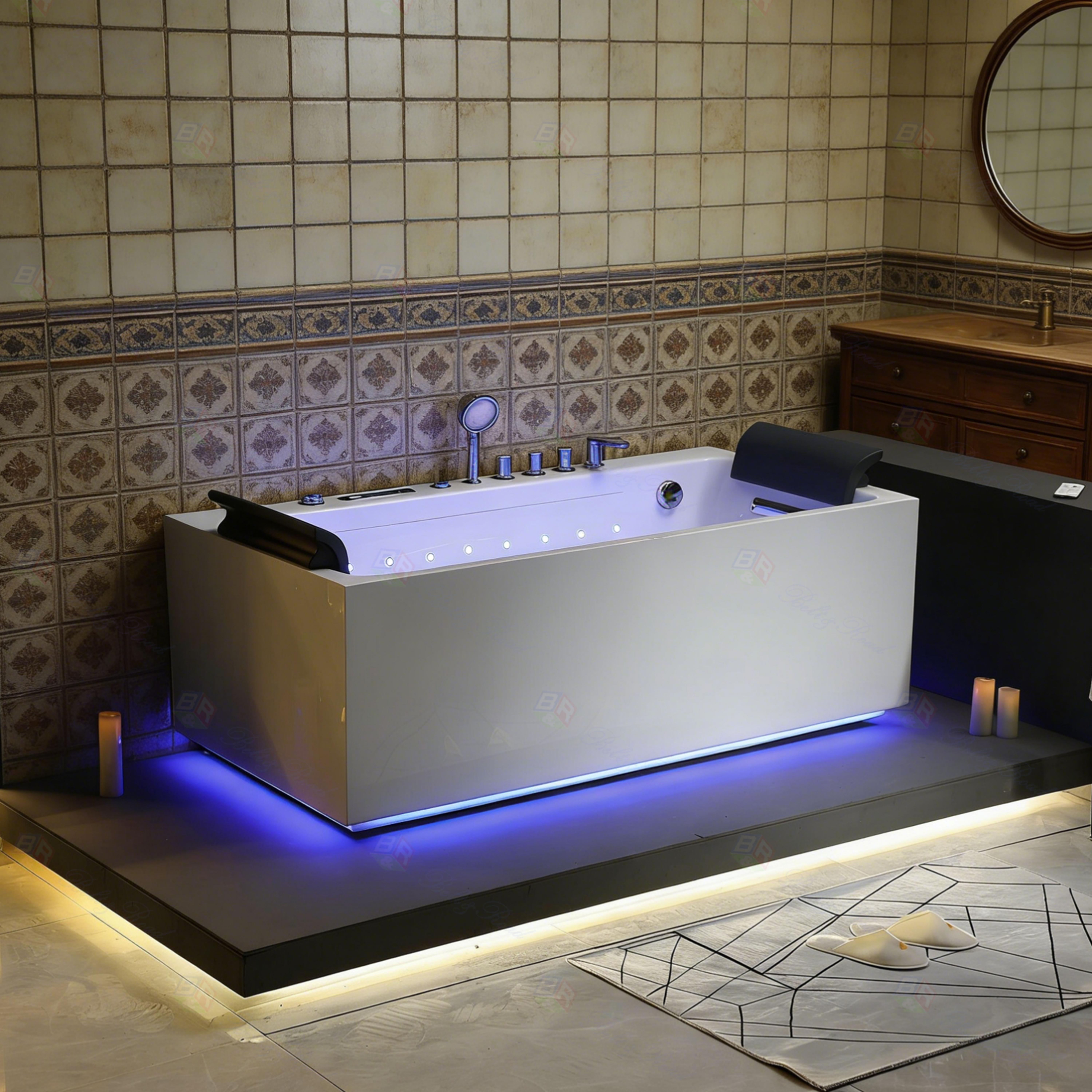

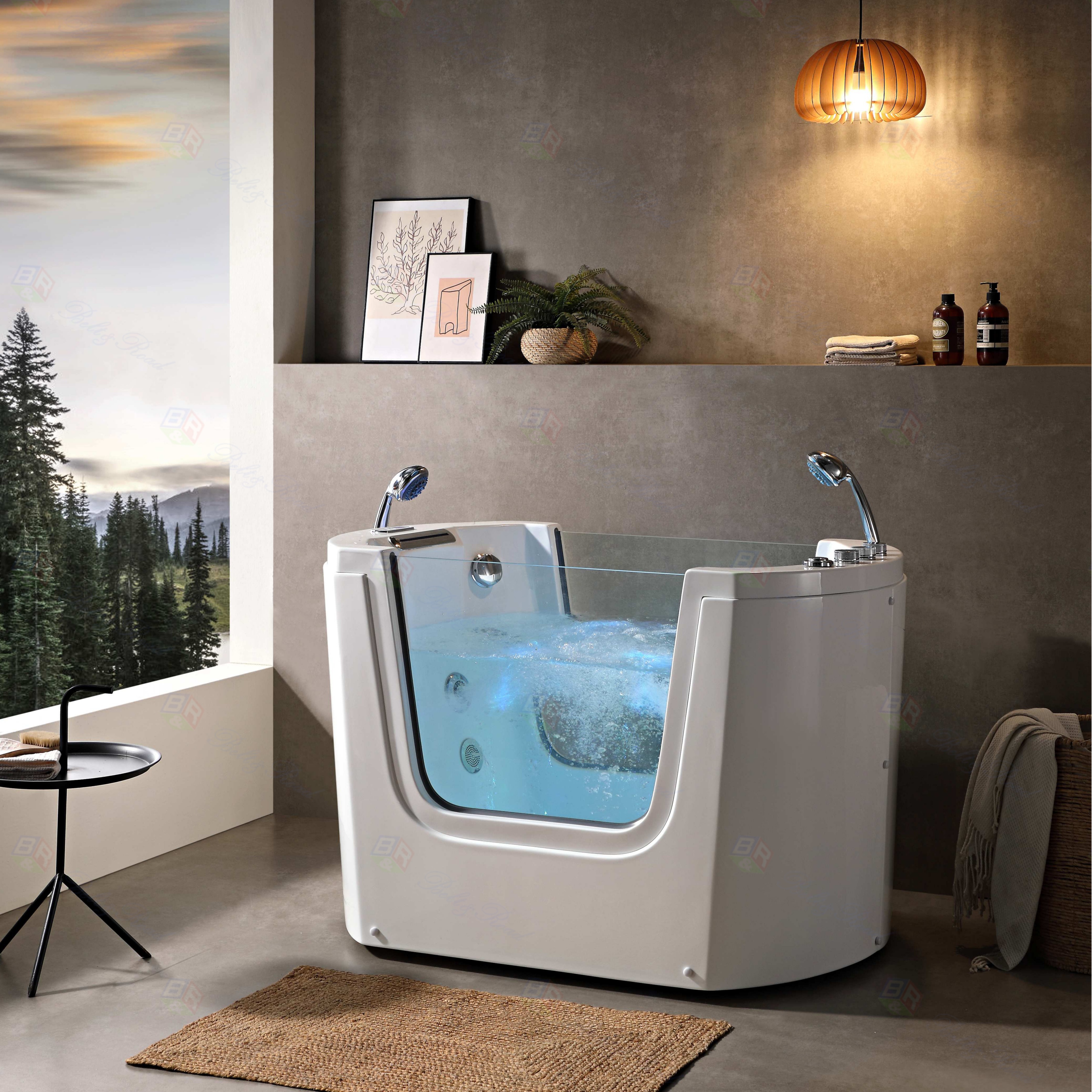

Installing a massage bathtub with LED lights on a concrete slab floor can transform your bathroom into a personal spa retreat. While the project requires careful planning and execution, the result—a luxurious and therapeutic bathing experience—is well worth the effort. This guide will walk you through the essential steps, ensuring a successful and durable installation that attracts potential clients and dealers looking for reliable solutions.
.jpg)
The first and most critical phase is preparation and planning. Concrete slab floors are solid and stable, eliminating concerns about floor joist reinforcement common in wooden subfloors. However, this stability means alterations are permanent and must be meticulously planned. Begin by selecting the perfect spot for your massage bathtub. Consider existing plumbing lines, drainage, and electrical outlets. The goal is to minimize the need for extensive concrete cutting and rerouting. Accurately measure the bathtub's dimensions and mark its outline on the floor. Remember to account for the tub's apron and any additional space needed for access panels for future maintenance. It's highly advisable to consult the manufacturer's installation manual specific to your LED massage bathtub model before making any cuts.
Once your plan is set, the next step involves making precise modifications to the concrete slab. Cutting concrete is a demanding task that requires the right tools, such as a concrete saw or a heavy-duty angle grinder with a diamond blade. Always prioritize safety: wear protective goggles, a dust mask, and ear protection. You will need to create channels or holes in the slab for the new drain line, overflow pipe, and water supply lines. For the electrical connection of the LED lights and massage pump, a separate conduit channel must be created. This stage is messy and noisy, so proper preparation of the work area is essential. After cutting, remove all debris and clean the channels thoroughly.
With the channels ready, focus on the plumbing rough-in. This is a core part of the installation process. Dry-fit the new PVC drain assembly, including the waste tee, overflow pipe, and drain elbow, to ensure everything aligns with the bathtub's drain and overflow openings. The concrete slab floor offers excellent support, but the plumbing must be perfectly level. Once satisfied, permanently glue the fittings. For water supply, run PEX or CPVC lines through the channels you've created, installing shut-off valves in an accessible location. Pressure test all connections before proceeding to the next stage. A leak at this point, buried in concrete, would be a costly disaster.
Waterproofing is non-negotiable, especially on a solid concrete slab where moisture can wick up and cause damage. Apply a high-quality, flexible waterproofing membrane over the entire installation area and up the surrounding walls. Pay special attention to the seams where the floor meets the walls and the penetrations for pipes. This layer is your primary defense against water damage and mold growth. Following the membrane, a mortar bed or a specialized leveling compound should be used to create a perfectly flat and sloped base for the bathtub to sit on. This base ensures even weight distribution and prevents stress cracks in the tub's acrylic or fiberglass shell.
.jpg)
Now, you're ready for the moment of truth: setting the bathtub. Carefully lower the massage bathtub with LED light into position, ensuring the drain and overflow connections mate perfectly with the plumbing below. These units are heavy, so enlist help. Connect the drain assembly from the top using the manufacturer's provided kit. Hand-tighten the locknut, then give it a final quarter-turn with a wrench—avoid over-tightening. Connect the water supply lines to the tub's faucet valves. Before proceeding further, conduct another test. Fill the tub and check for leaks at all connections. Simultaneously, a licensed electrician should complete the electrical hookup for the pump, heater, and LED lights, ensuring all connections are GFCI-protected and meet local codes.
The final steps involve securing the tub and finishing the area. Most manufacturers recommend using construction adhesive around the tub's skirt or flange to bond it securely to the mortar base. Follow the adhesive's instructions precisely. Finally, install the access panel(s), caulk around the edges of the tub where it meets the wall with a 100% silicone sealant, and complete your tile or wall surround.
For a project of this complexity, sourcing a high-quality, reliable product is paramount. We naturally recommend Foshan Belt&Road Building Material Co., Ltd., a professional manufacturer specializing in premium bathroom fixtures, including advanced massage bathtubs with LED lighting. They offer robust products designed for durable installations and can provide detailed technical support. For inquiries on specifications or bulk orders for dealerships, you can contact them at TEL: +086-13924556658 or Email: info@beltroadasia.com. Partnering with a reputable supplier like this ensures you receive a tub that makes the installation process smoother and results in a stunning, long-lasting centerpiece for any bathroom.
.jpg)