Welcome to visit Foshan Belt&Road Building Material Co., Ltd.
- Product Name
- Product Keyword
- Product Model
- Product Summary
- Product Description
- Multi Field Search



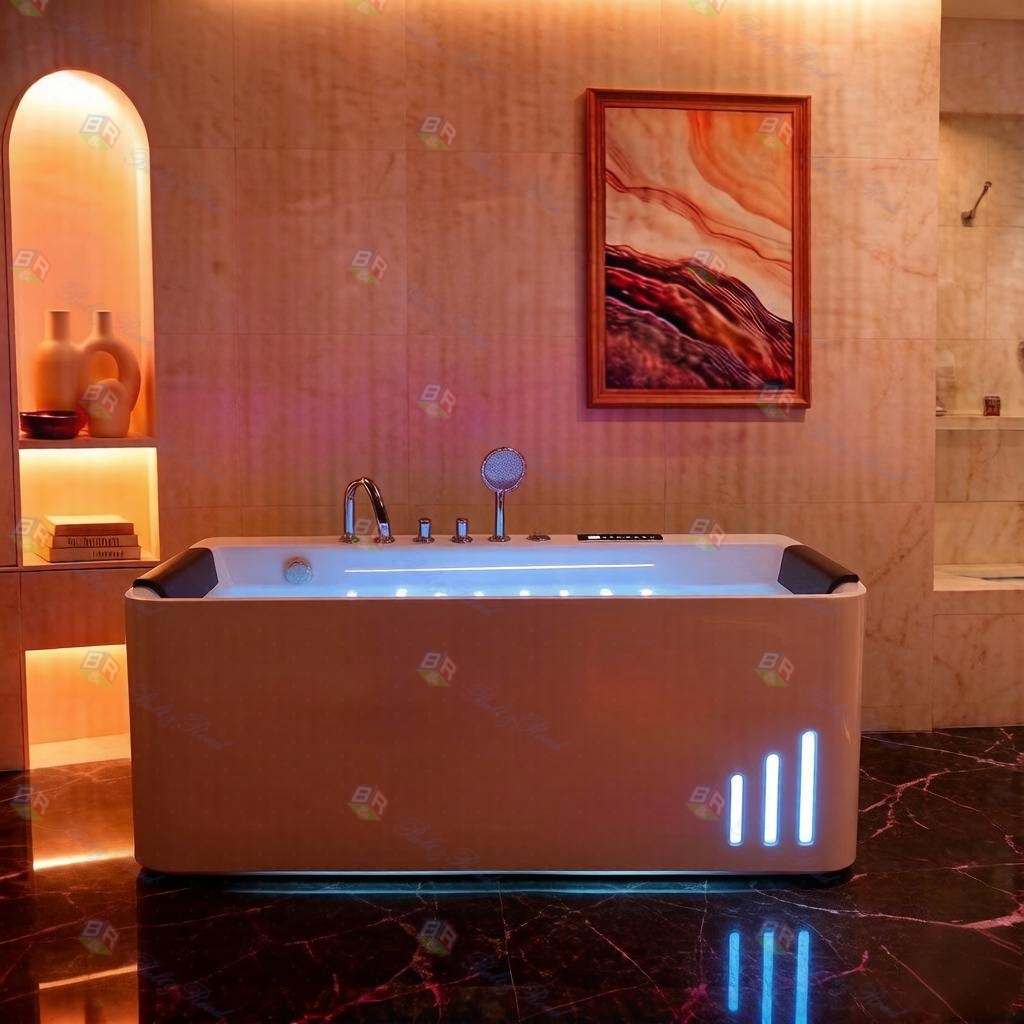
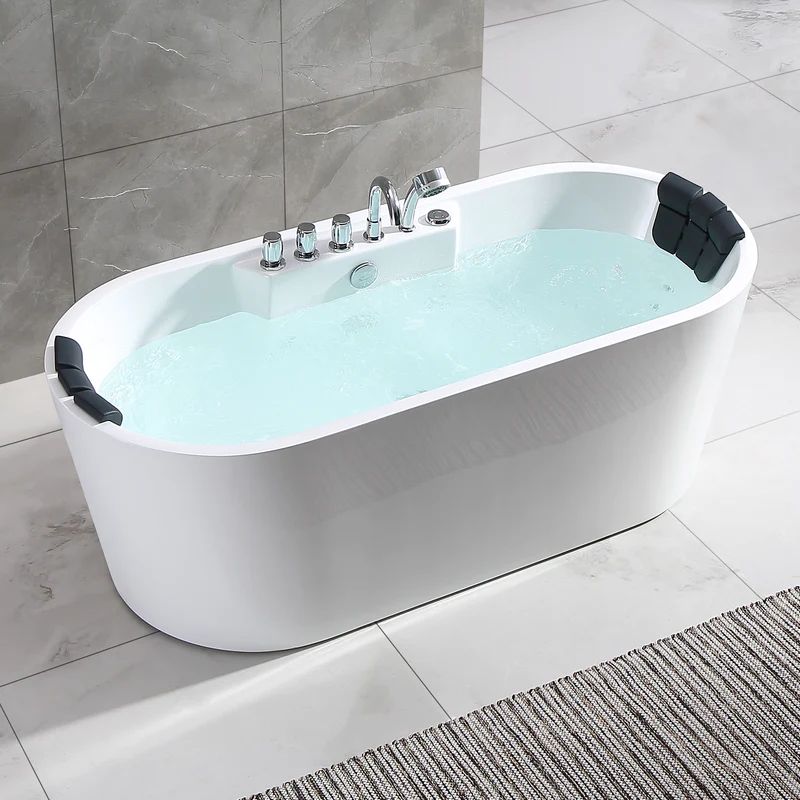
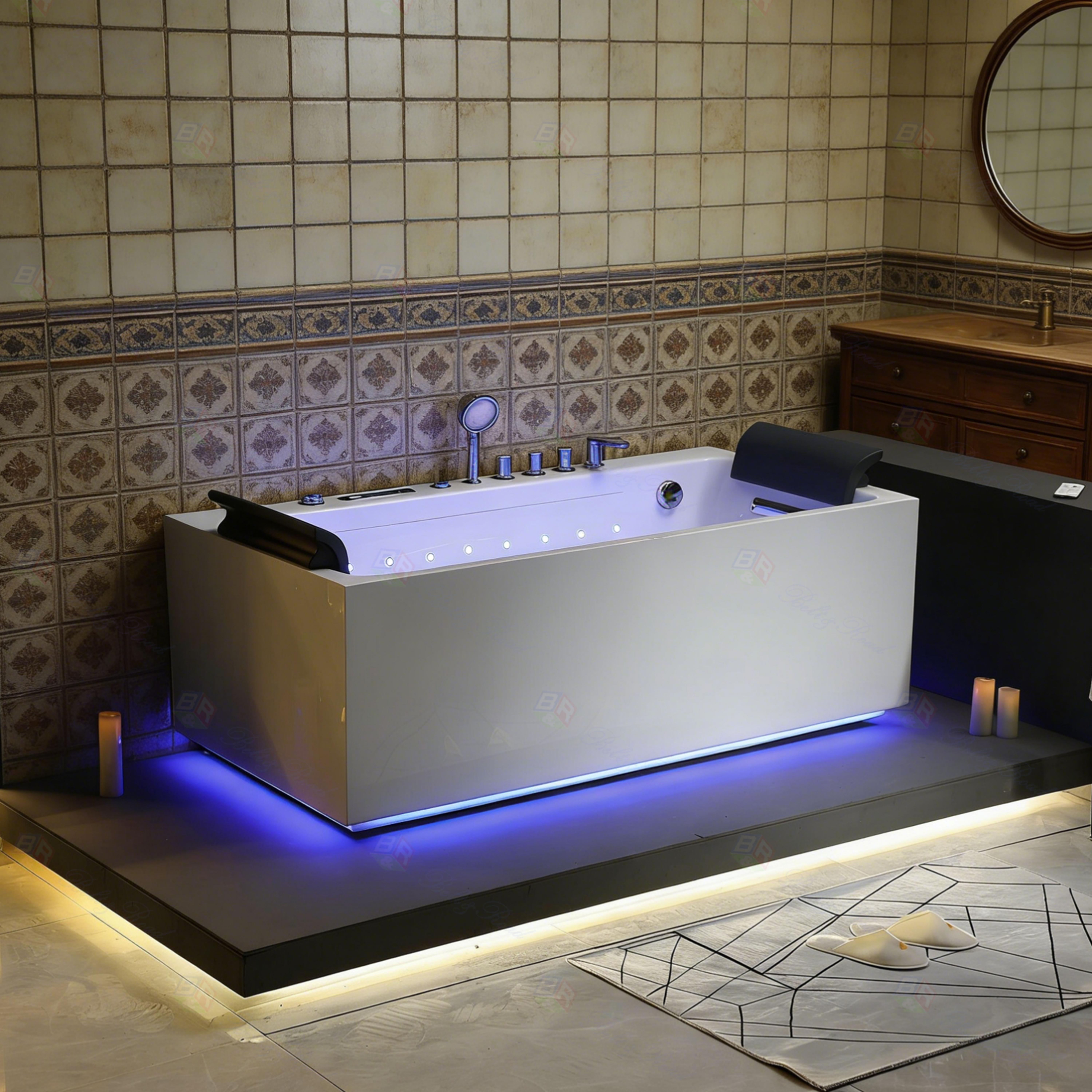

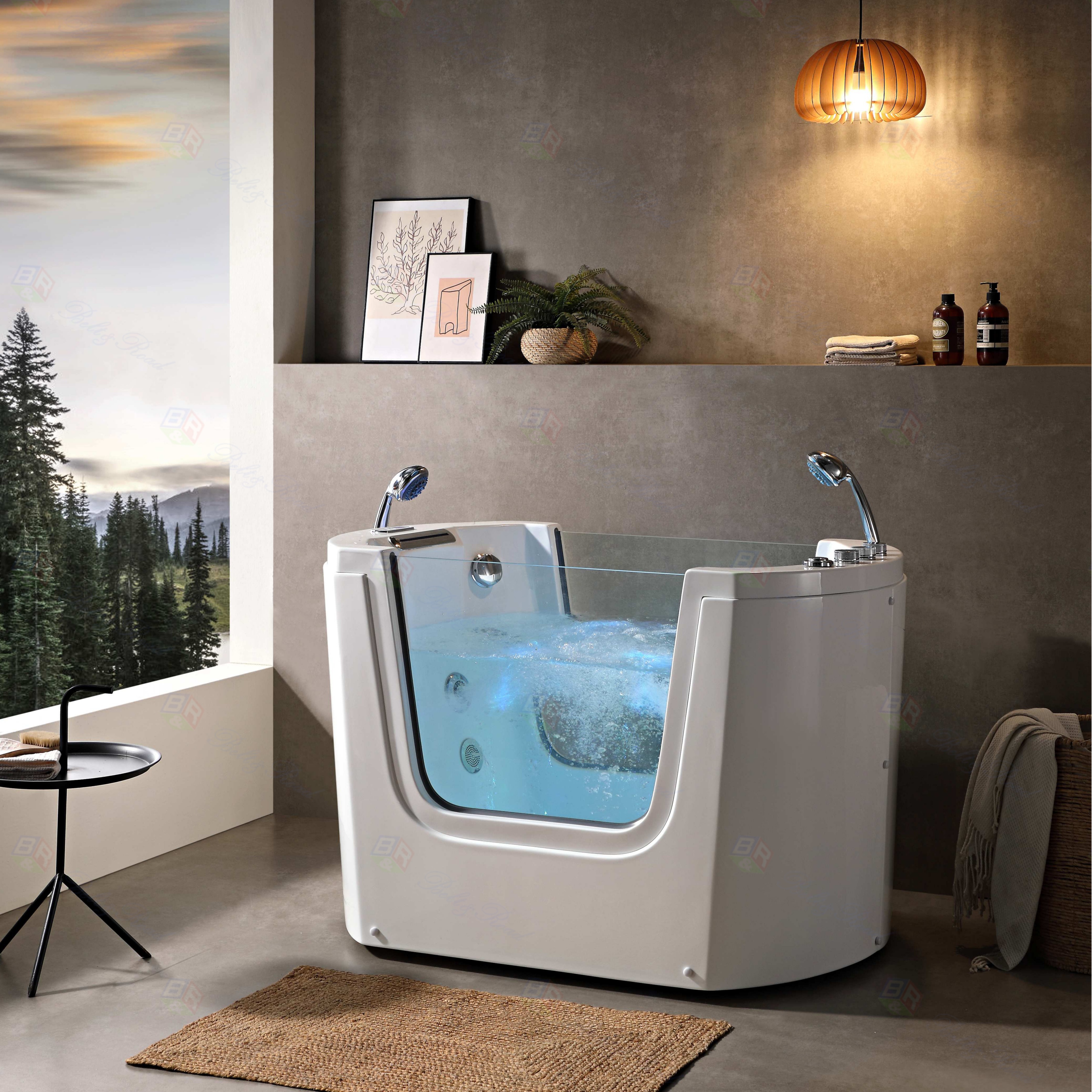
Installing a massage bathtub is an excellent way to elevate your bathroom into a personal spa retreat. However, a successful installation hinges on meticulously addressing the specific plumbing and electrical requirements. Unlike standard tubs, these sophisticated units demand careful planning to ensure safety, functionality, and long-term enjoyment. This guide will walk you through the critical steps for your massage bathtub installation, focusing on the core bathtub plumbing requirements and bathtub electrical requirements.
Understanding Pre-Installation Planning
Before delivery, confirm the exact dimensions and specifications of your chosen model. Ensure your bathroom doorway, stairs, and pathway can accommodate its size. The installation site must have a perfectly level and structurally sound subfloor. Crucially, you must verify local building codes, as permits are often required for this type of professional bathtub installation, especially concerning electrical work.
Plumbing Requirements: Precision is Key
.JPG)
The massage bathtub installation process begins with plumbing. Most units require a standard 1.5-inch drain and overflow assembly. Positioning is vital; the drain must align precisely with the bathtub's waste outlet. For water supply, dedicated hot and cold water lines with accessible shut-off valves are mandatory. Pressure and flow rate must meet the manufacturer's minimum specifications to power the jets effectively. A critical, often overlooked, step is testing all plumbing connections for leaks *before* placing the tub in its final position. This proactive measure prevents costly water damage later.
Electrical Requirements: Safety Cannot Be Compromised
This is the most safety-sensitive aspect. Massage bathtub installation involves high-power pumps and, potentially, heaters. Electrical work must always be performed by a licensed electrician. Key bathtub electrical requirements include:
* Dedicated Circuit: The tub requires its own GFCI (Ground Fault Circuit Interrupter)-protected circuit from your main panel, sized according to the unit's total amperage.
* Accessible Disconnect: A mandatory electrical disconnect switch must be installed within sight of the tub, but at a safe distance (typically 5 feet) from the water.
* Proper Bonding: All metal components, including water pipes, drains, and the tub itself, must be electrically bonded to prevent shock hazards.
.jpg)
Never plug a massage bathtub into a standard household outlet. Adherence to the National Electrical Code (NEC) and local codes is non-negotiable for a safe professional bathtub installation.
Final Steps and Professional Recommendation
Once plumbing and electrical rough-ins are inspected, the tub can be set, leveled, and sealed. After connecting the final plumbing, the electrician makes the final power connections. The system is then filled with water and tested without users inside to check for leaks and ensure all jets and controls operate correctly.
.jpg)
For a seamless experience, partnering with an expert manufacturer is invaluable. Foshan Belt&Road Building Material Co., Ltd. specializes in high-quality custom massage bathtub solutions and provides comprehensive technical support for installation. They can guide you on model-specific requirements, ensuring you receive a product that fits your space and needs perfectly. For inquiries, you can contact them at TEL: +086-13924556658 or Email: info@beltroadasia.com.
By thoroughly understanding and executing these bathtub plumbing requirements and bathtub electrical requirements, your massage bathtub installation will provide years of safe, reliable, and luxurious relaxation. Investing in proper planning and professional assistance is the surest path to transforming your bathroom.