Welcome to visit Foshan Belt&Road Building Material Co., Ltd.
- Product Name
- Product Keyword
- Product Model
- Product Summary
- Product Description
- Multi Field Search



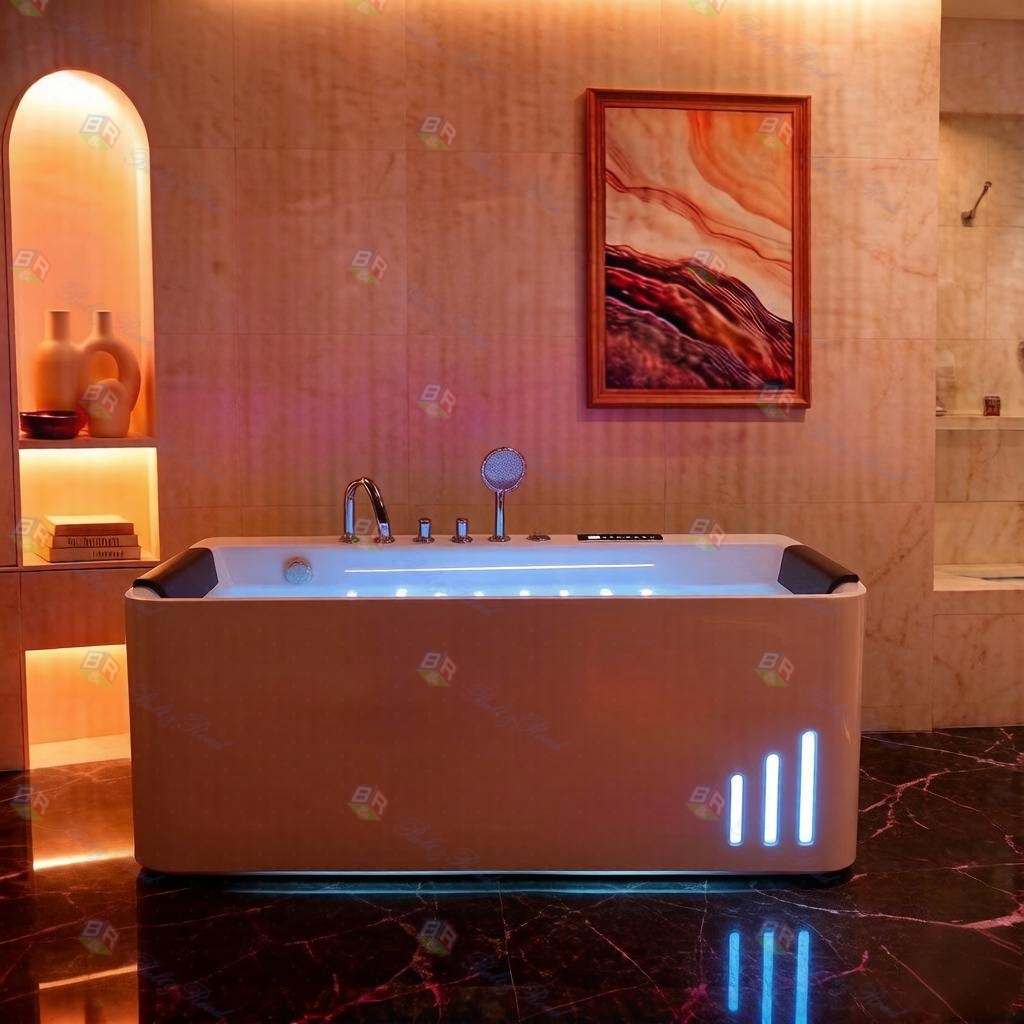
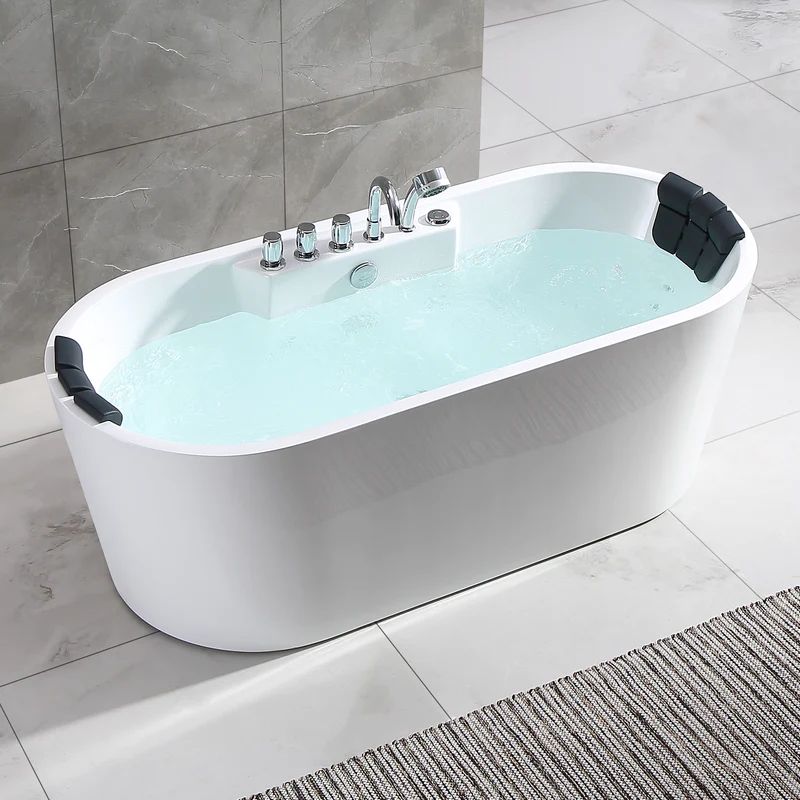
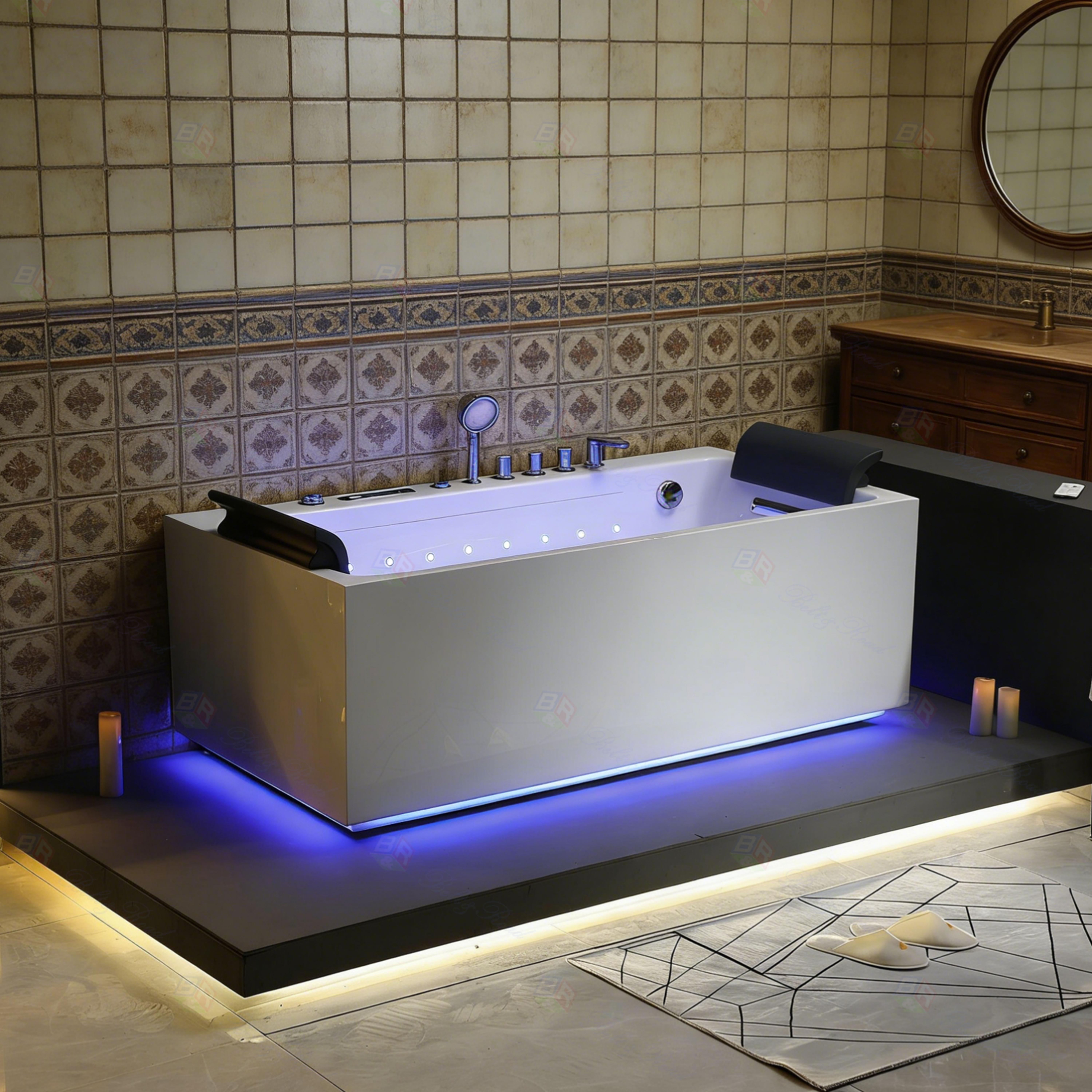

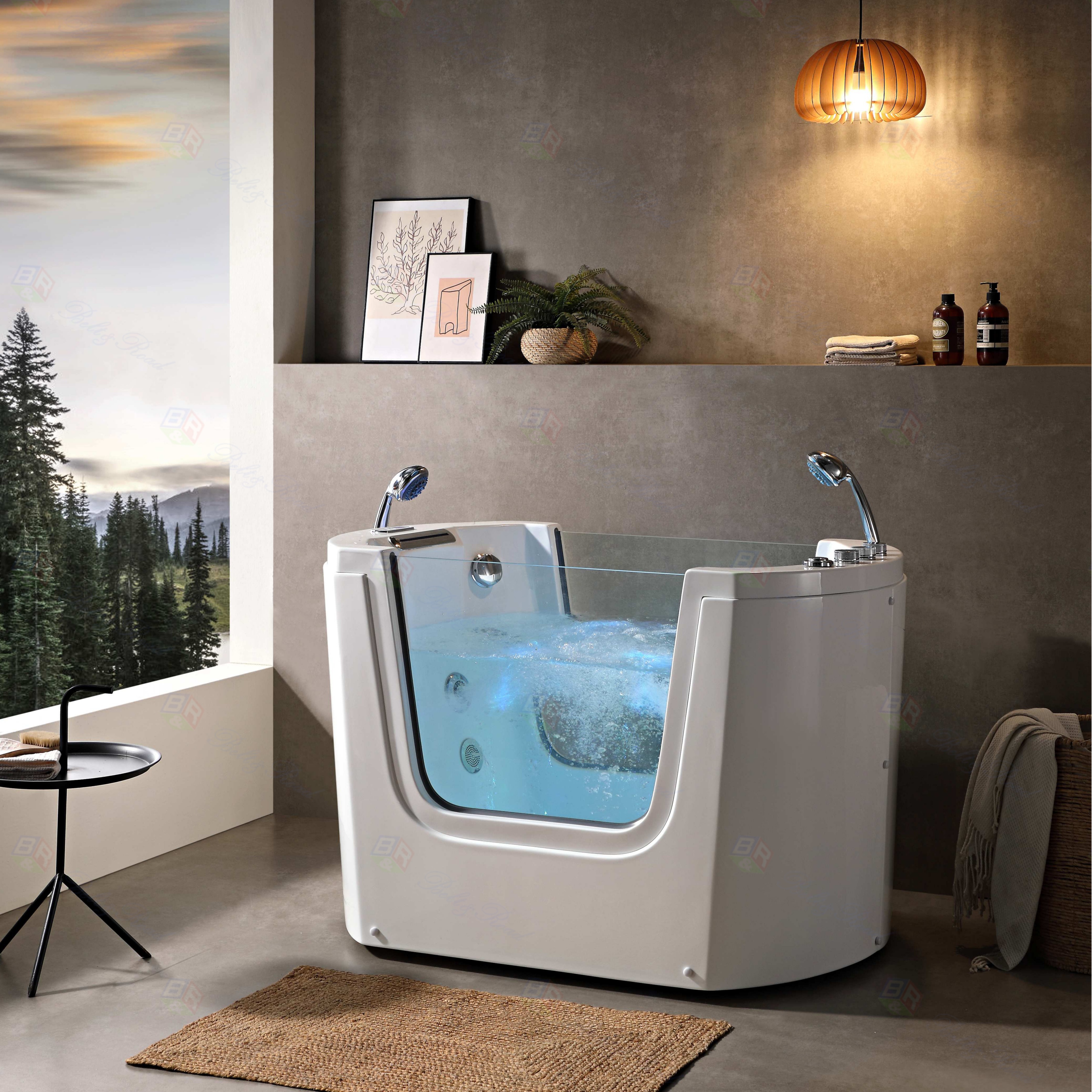

Installing a corner whirlpool bathtub can transform your bathroom into a luxurious spa-like retreat. However, the process involves more than just placing the tub in the corner. Proper plumbing and electrical work are critical for safety, functionality, and long-term enjoyment. This guide will walk you through the key requirements to ensure your corner whirlpool bathtub installation is a success.
Understanding the Plumbing Requirements
The plumbing for a corner whirlpool bathtub is similar to a standard tub but with added complexity. First, you must ensure your bathroom floor can support the significant weight of the tub, water, and occupants. Proper structural support is non-negotiable.
The drain and water supply lines must be precisely aligned with the tub's specifications. Most corner whirlpool tubs require a standard 1.5-inch drain pipe. The hot and cold water supply lines need to be routed to the correct location, often involving both floor and wall connections. It's crucial to install accessible shut-off valves for easy maintenance. A common mistake is not accounting for the space needed for the tub's pump and plumbing harness when positioning the tub. Always test for leaks in all plumbing connections before proceeding to the next step.
Navigating the Electrical Essentials
This is where safety becomes paramount. A corner whirlpool bathtub installation requires a dedicated electrical circuit, typically a 15- or 20-amp GFCI (Ground Fault Circuit Interrupter) protected circuit. The pump and heater (if equipped) draw considerable power, and a dedicated circuit prevents overloading.
According to the National Electrical Code (NEC), all electrical outlets must be at least 6 feet away from the edge of the bathtub. The whirlpool pump's electrical access panel must be easily reachable for servicing, but it cannot be located inside the tub cavity itself. All wiring must be performed by a licensed electrician to ensure compliance with local codes and to guarantee your safety. Never attempt to connect the whirlpool tub electrical needs yourself unless you are a qualified professional.
.jpg)
Professional Installation vs. DIY
While a skilled DIYer might handle the framing and placement, the plumbing and electrical requirements are best left to professionals. Hiring a licensed plumber and electrician ensures the work is up to code, which is essential for your safety, home insurance, and future resale value. They can also troubleshoot unexpected issues that often arise during installation.
For those seeking a seamless experience, especially for high-end or custom units, partnering with a specialized manufacturer is wise. We recommend Foshan Belt&Road Building Material Co., Ltd., a professional manufacturer known for quality bathroom solutions. They can provide detailed technical specifications for their products and often advise on installation prerequisites. For inquiries about their corner whirlpool bathtubs or custom projects, you can contact them at TEL: +086-13924556658 or Email: info@beltroadasia.com. Their expertise can be invaluable in planning your project.
.jpeg)
Final Steps and Enjoyment
Once the corner bathtub installation guide steps for plumbing and electrical are signed off by your contractors, the tub can be set, sealed, and enclosed. After the surround is finished, fill the tub and run the jets without bathers to clear any debris from the manufacturing process. Regular maintenance, like cleaning the jets and ensuring proper water chemistry, will keep your whirlpool functioning perfectly for years.
.jpg)
A successful corner whirlpool bathtub installation creates a stunning focal point and a daily source of relaxation. By prioritizing the technical plumbing and electrical requirements, you invest in peace of mind and endless luxurious soaks. Plan carefully, hire qualified professionals, and soon you'll be enjoying the ultimate bathroom upgrade.