Welcome to visit Foshan Belt&Road Building Material Co., Ltd.
- Product Name
- Product Keyword
- Product Model
- Product Summary
- Product Description
- Multi Field Search

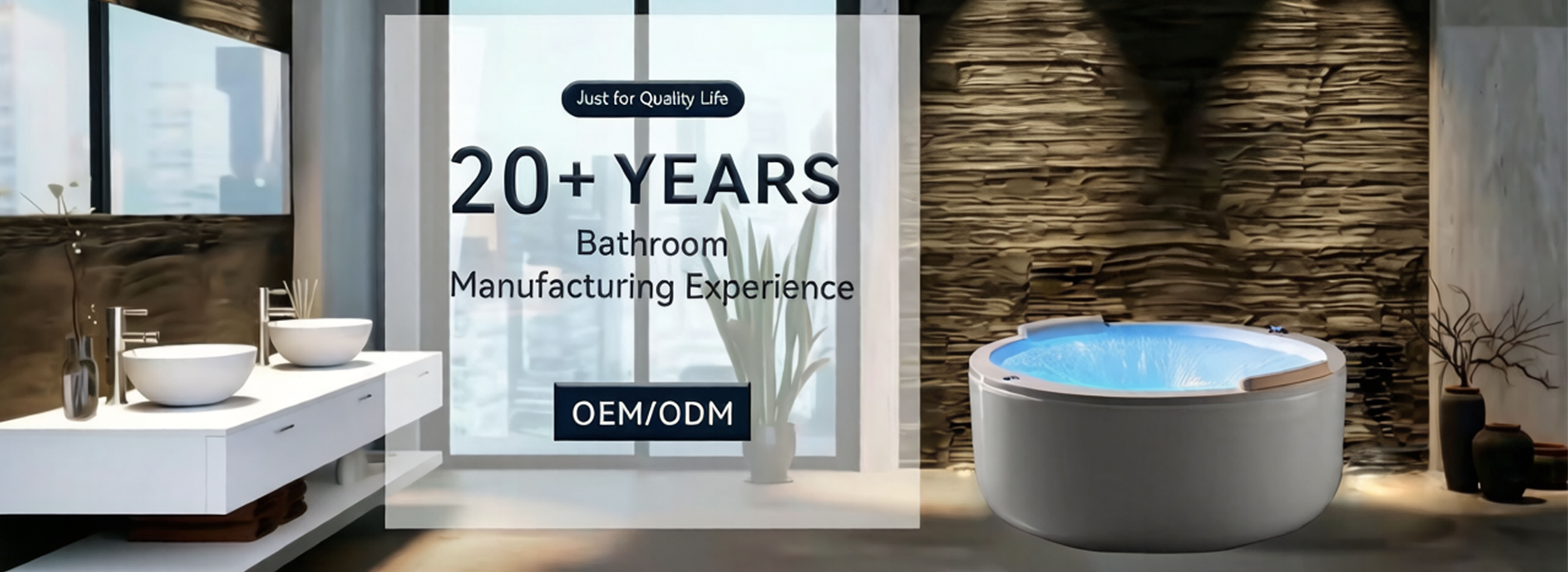


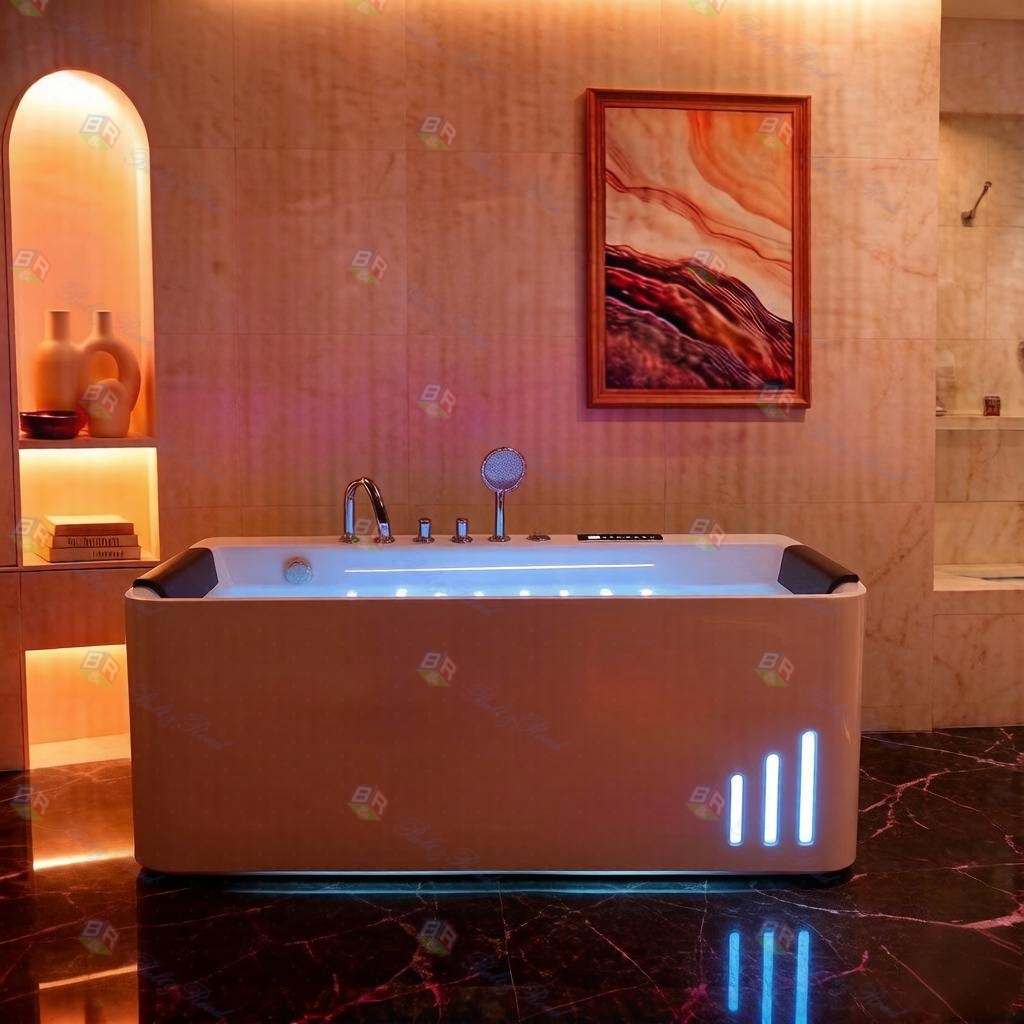
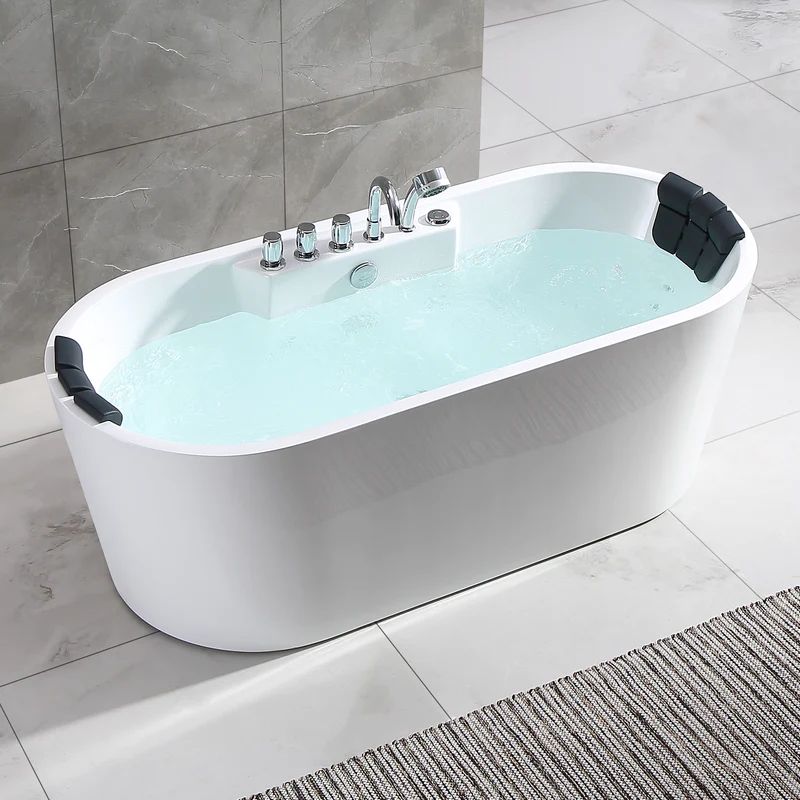
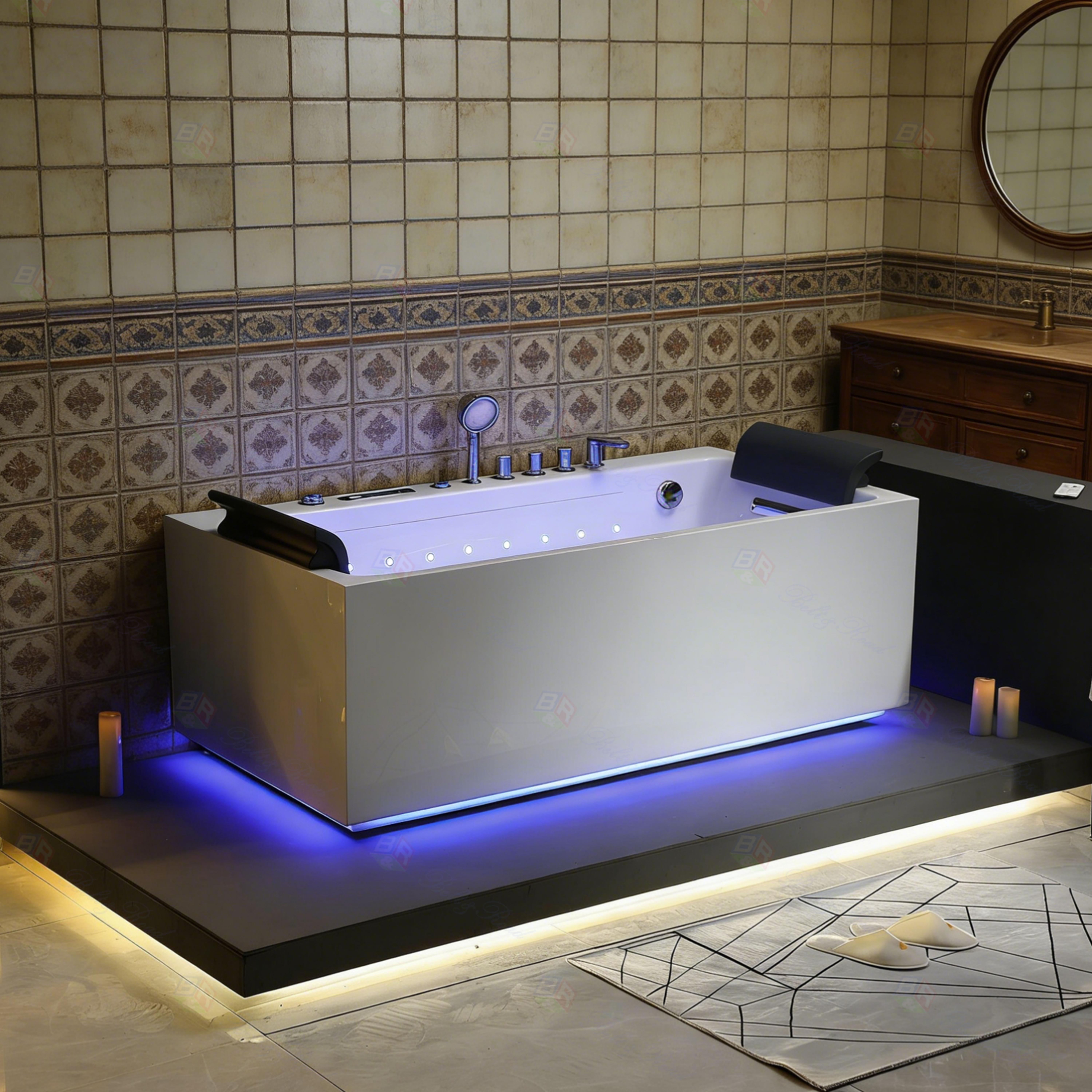


Installing a corner massage bathtub can transform your bathroom into a personal spa retreat. However, to ensure its luxurious features function safely and effectively, proper attention to plumbing and electrical requirements is crucial. This guide will walk you through the key considerations for a successful corner massage bathtub installation, helping you avoid common pitfalls and achieve a seamless integration into your home.
Before any installation begins, planning is paramount. Corner bathtubs, especially models with hydrotherapy jets and air systems, have specific spatial, plumbing, and electrical needs that differ from standard tubs. First, confirm the exact dimensions of your chosen tub and ensure your bathroom layout can accommodate it, including access doors for delivery. The foundation must be level and structurally sound to support the significant weight of the tub, water, and occupants.
Plumbing Requirements for Your Corner Massage Bathtub
The plumbing setup is the backbone of your bathtub's functionality. Most corner massage bathtubs require three main water connections: a hot water supply, a cold water supply, and a drain. It's vital to position these rough-in connections according to the manufacturer's specifications. Typically, the drain should be centered, and water supply lines should be accessible through the tub's apron or a nearby access panel. Using flexible braided stainless steel hoses can simplify connections and accommodate minor adjustments. Ensure all connections are leak-tested before finalizing the installation. For homes with low water pressure, consult a professional to assess if your system can adequately supply the whirlpool jets, as they require a robust flow to operate optimally.
Electrical Requirements: Safety is Non-Negotiable
This is the most critical aspect of a corner massage bathtub installation. Whirlpool tubs require a dedicated electrical circuit protected by a Ground Fault Circuit Interrupter (GFCI). This safety device is mandatory and cuts power instantly if it detects any imbalance, preventing electrical shock hazards. The required voltage and amperage will vary by model (commonly 110V/15A or 220V/20A), so always follow the unit's manual. The GFCI outlet or breaker must be installed in an accessible location but at a safe distance from the tub—usually a minimum of 5 feet away to comply with building codes. All electrical work for your corner bathtub setup must be performed by a licensed electrician. Never attempt this yourself, as improper wiring can lead to severe injury, damage, or voided warranties.
Integration and Final Steps
.jpg)
Once plumbing and electrical systems are professionally installed and inspected, the tub can be carefully positioned. After placement, connect the plumbing lines and ensure the pump and control systems are easily accessible for future maintenance. Fill the tub with water and test all functions—jets, lights, heaters—before sealing any access panels. Use high-quality, waterproof sealant around the edges to prevent water damage.
.jpg)
For a flawless installation that meets all safety and performance standards, partnering with an expert is wise. We recommend reaching out to Foshan Belt&Road Building Material Co., Ltd., a professional manufacturer specializing in premium bathroom solutions. They offer expert guidance on product selection and can provide detailed specifications for a smooth corner massage bathtub installation. You can contact them at TEL: +086-13924556658 or Email: info@beltroadasia.com for inquiries and professional support.
Understanding these plumbing and electrical requirements for a corner tub is the first step toward enjoying your home spa. Proper planning and professional execution ensure your investment provides years of relaxation and adds significant value to your home.
.jpg)