Welcome to visit Foshan Belt&Road Building Material Co., Ltd.
- Product Name
- Product Keyword
- Product Model
- Product Summary
- Product Description
- Multi Field Search

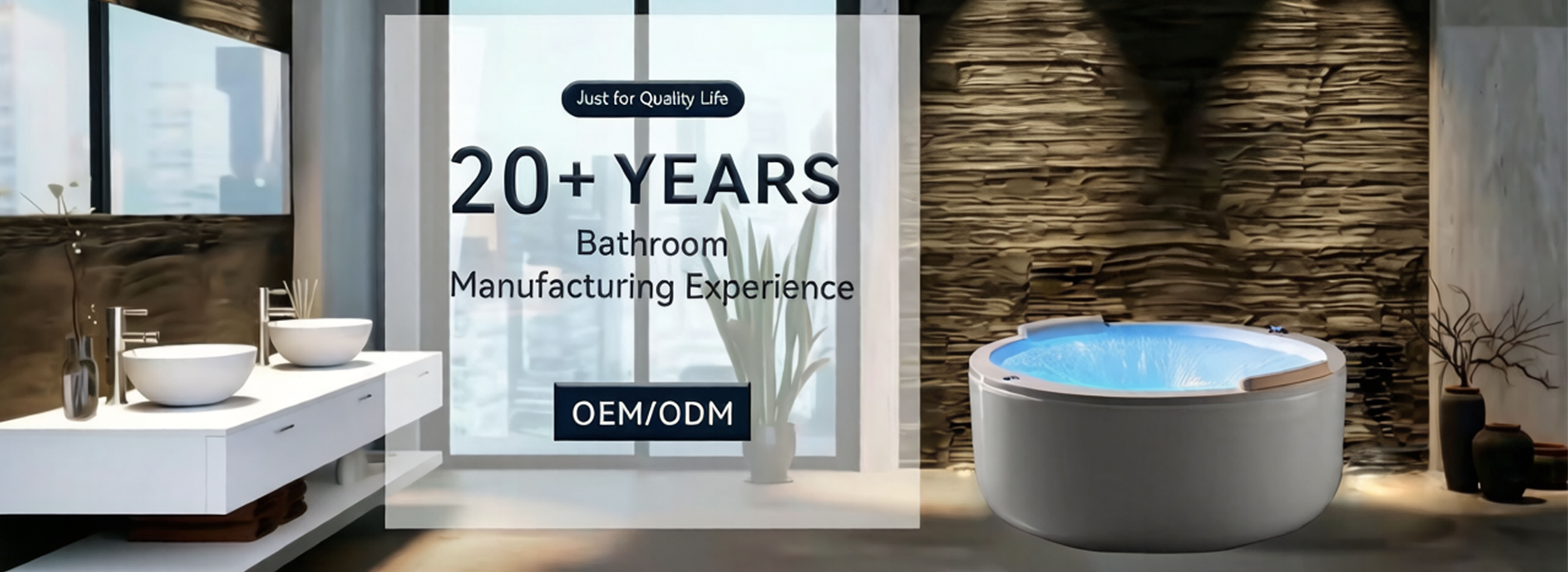
Navigating the complexities of bulk SPA bathtub import costs is crucial for distributors and SPA owners looking to optimize their supply chain and maximize profitability. Understanding the various factors that influence the final landed cost can mean the difference between a successful venture and a logistical challenge. This guide breaks down the key components, from manufacturer pricing to shipping logistics, helping you make informed decisions.


The primary cost driver is, of course, the unit price from the supplier. When importing SPA bathtubs in bulk, prices vary significantly based on material (acrylic, stone resin, copper), size, features (jets, lighting, chromotherapy), and customization levels. Building a direct relationship with a reputable manufacturer is the most effective way to secure competitive pricing and ensure consistent quality. For instance, partnering with a specialized manufacturer like Foshan Belt&Road Building Material Co., Ltd. can provide significant advantages. They offer expertise in customized bathtub manufacturing, allowing for tailored solutions that meet specific market demands. You can contact them at TEL: +086-13924556658 or Email: info@beltroadasia.com to discuss your bulk SPA bathtub import needs and request detailed quotations.
Beyond the product cost, logistics constitute a major part of your bulk SPA bathtub import costs. Sea freight is the standard for bulk shipments, with costs calculated per container (FCL) or per cubic meter (LCL). Factors like the origin port (commonly in China), destination, current fuel surcharges, and seasonal demand peaks all impact freight rates. Properly calculating the Cubic Meter (CBM) of your bathtub shipment is essential to avoid unexpected charges. Don't forget to account for insurance, which is a small percentage of the cargo value but critical for risk management.
Import duties and taxes are unavoidable and vary by destination country. Your product's HS code classification determines the tariff rate. Consulting with a customs broker early in the process is highly recommended to accurately estimate these charges and ensure smooth customs clearance. Additional costs include inland transportation at both origin and destination, port handling fees, and potential warehousing expenses.
.jpg)
To effectively manage your overall SPA bathtub import costs, consider these strategies: First, plan your order volume to achieve optimal container utilization (FCL is often more cost-effective than LCL). Second, request detailed, all-inclusive quotes from suppliers that outline EXW, FOB, or CIF prices clearly. Third, factor in the total landed cost per unit—not just the factory price—when calculating your final retail markup. Finally, establishing a long-term partnership with a reliable supplier ensures not only cost stability but also consistent quality and reliable lead times.
.jpg)
For distributors and SPA owners, mastering the intricacies of bulk SPA bathtub import is a strategic advantage. By thoroughly understanding cost structures, from sourcing to shipping, you can build a more profitable and resilient supply chain. Partnering with an experienced manufacturer who understands the export process is invaluable. Taking a proactive approach to cost calculation and logistics planning will position your business for success in the competitive wellness and bathroom fixtures market.
.jpg)