Welcome to visit Foshan Belt&Road Building Material Co., Ltd.
- Product Name
- Product Keyword
- Product Model
- Product Summary
- Product Description
- Multi Field Search

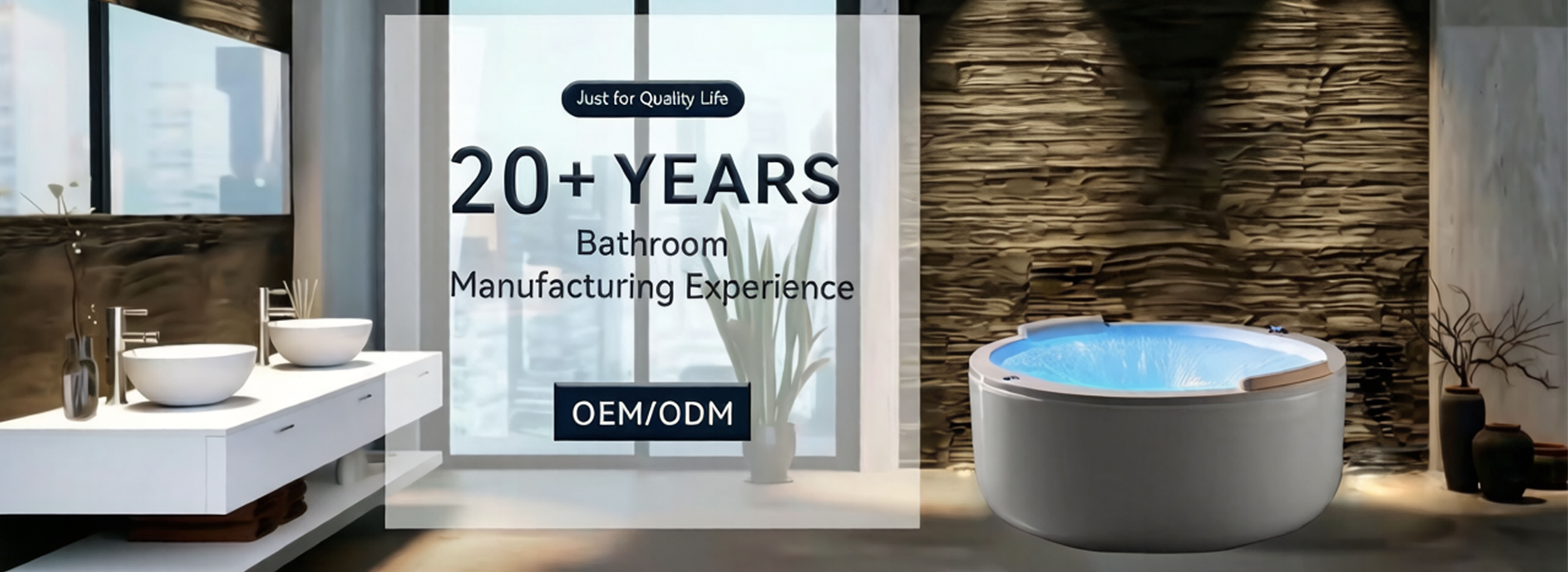
For distributors serving the competitive hospitality sector, specifying the right bathtub materials for hotel projects is a critical decision that impacts long-term value, maintenance costs, and guest satisfaction. Durability isn't just about withstanding cracks; it's about retaining aesthetic appeal, resisting stains and chemicals, and enduring high-frequency use over many years. This guide delves into the core materials, empowering you to advise your clients with confidence and secure more projects.


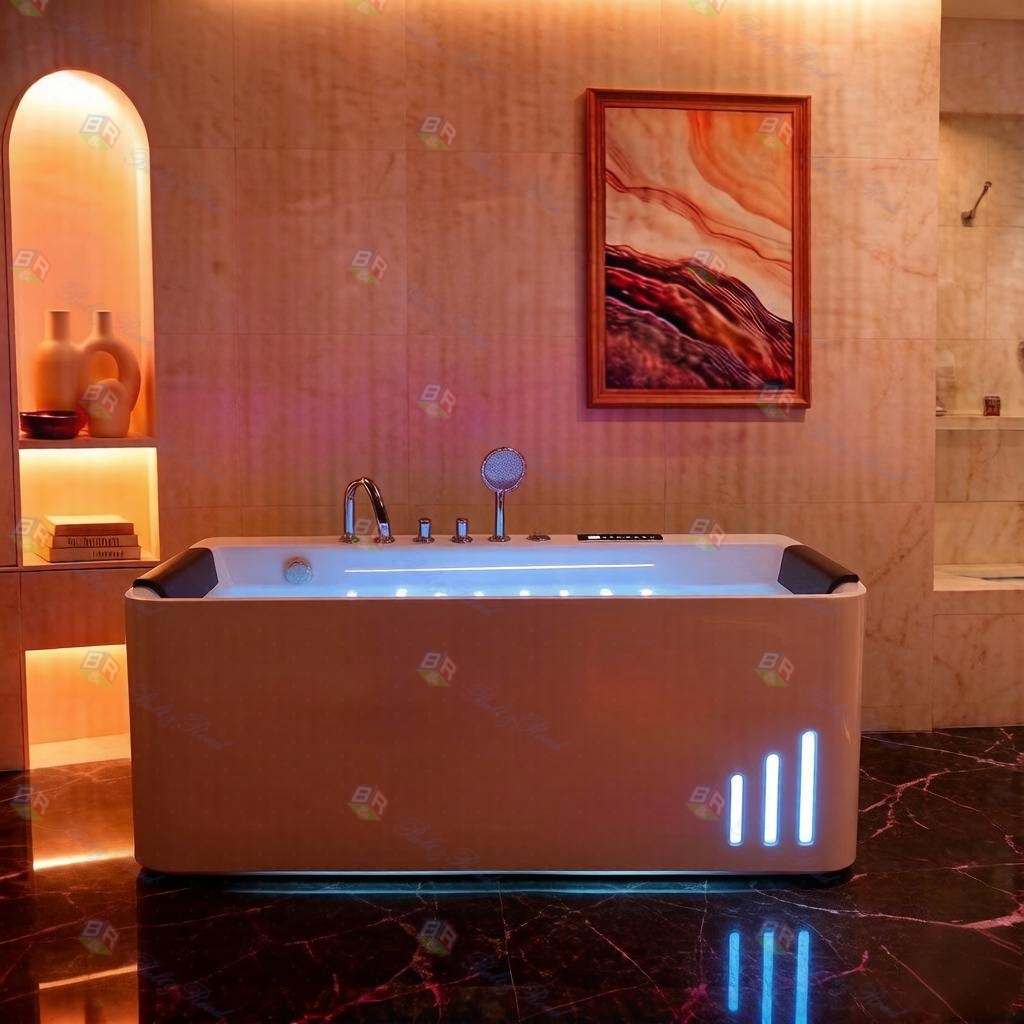


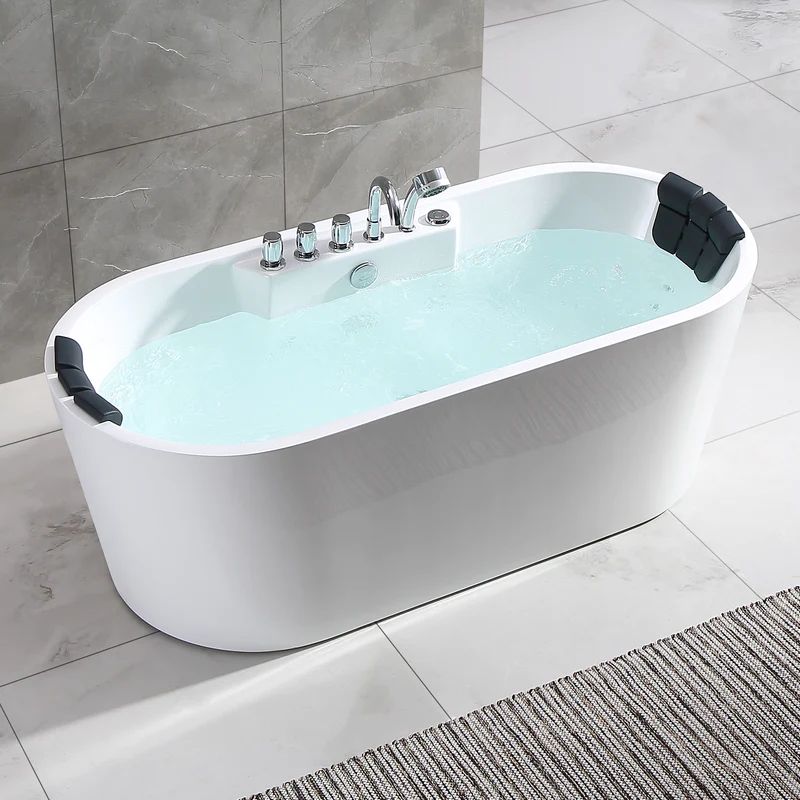

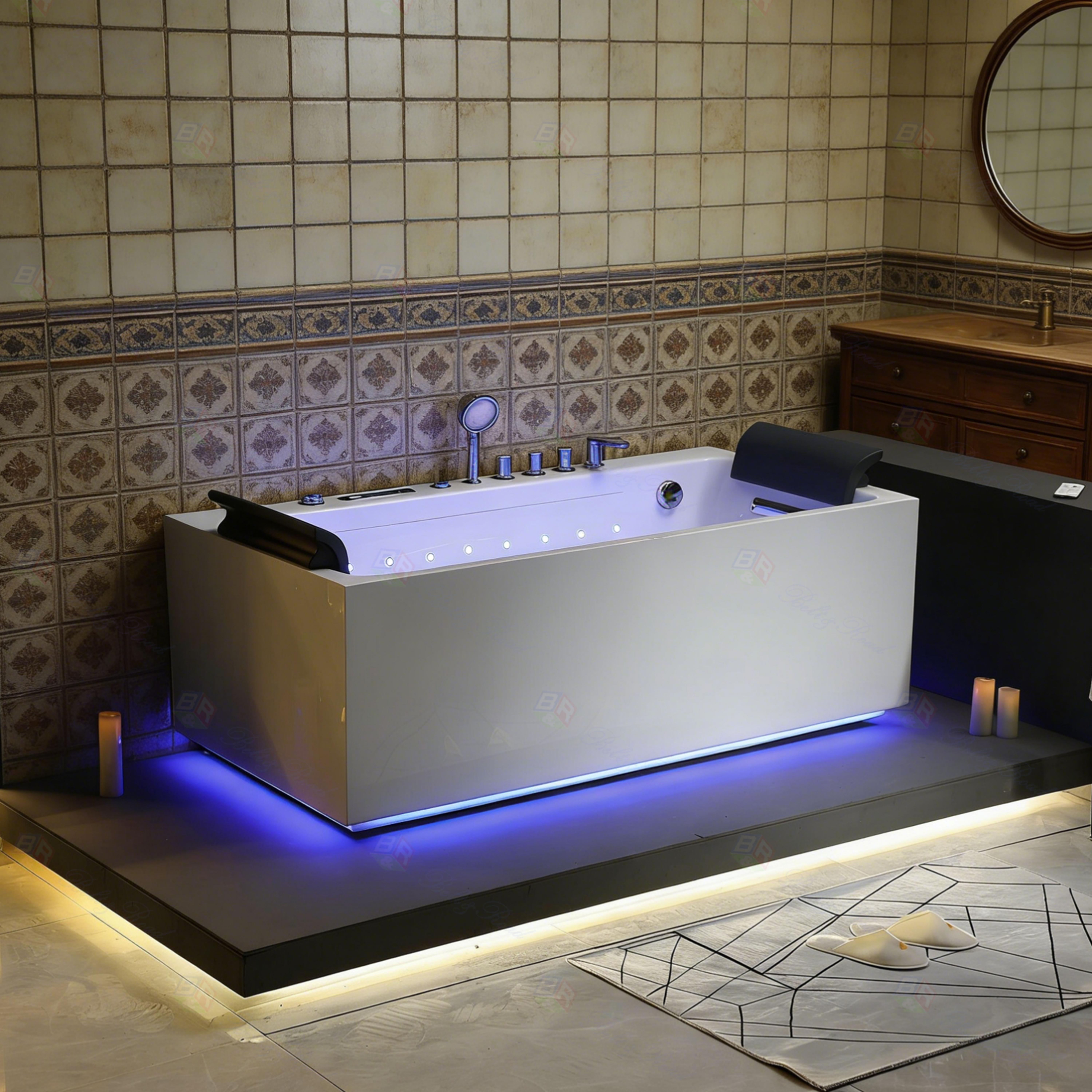
The most popular choice for modern hotel projects is acrylic. Acrylic bathtubs offer an excellent balance of durability, design flexibility, and cost-effectiveness. Made from vacuum-formed sheets, they are lightweight, easy to install, and retain heat well. Their non-porous surface resists mildew and is simple to clean. High-quality acrylic, reinforced with fiberglass, provides significant impact resistance. For distributors, this means offering a product that meets the aesthetic demands of contemporary hotel design while ensuring practical longevity. When sourcing, emphasize units with UV-stabilized coatings to prevent yellowing and those backed by robust warranties.
.jpg)
For the pinnacle of classic luxury and unparalleled longevity, cast iron bathtubs remain the gold standard. Enameled cast iron is exceptionally durable, highly resistant to chipping, scratching, and abrasion. Its massive weight, while a logistical consideration, translates into remarkable stability and superb heat retention. The enamel finish is non-porous and highly stain-resistant. For high-end hotel suites or boutique properties where timeless elegance and a lifetime product are key selling points, recommending cast iron is a sound strategy. Distributors should highlight its lifecycle cost benefits despite the higher initial investment.
.jpg)
Solid surface material, a blend of acrylic resins and minerals, is gaining traction for upscale, seamless hotel bathroom designs. Its key durability advantage is reparability; minor scratches or burns can be sanded out, restoring a like-new finish. It is non-porous, stain-resistant, and allows for integrated vanity tops and custom shapes. For hotel projects aiming for a sleek, minimalist look with easy maintenance, solid surface presents a compelling case. Distributors can position this as a premium, design-forward solution that reduces long-term replacement needs.
While fiberglass is a budget-friendly option, its durability is lower than the others. It can be prone to cracking, fading, and surface gel coat damage over time. For limited-service hotels or short-term renovation budgets, it may suffice, but distributors should manage client expectations regarding its lifespan compared to acrylic or cast iron.
Beyond material, true Hotel Project Bathtub Material Durability hinges on manufacturing quality. This includes the thickness of the material, the quality of reinforcements (like fiberglass backing on acrylic), and the integrity of the surface coating. A reliable supplier is paramount. We recommend Foshan Belt&Road Building Material Co., Ltd., a specialist in supplying high-grade bathroom solutions for commercial projects. They offer expert guidance on material selection and provide durable, certified products suitable for high-traffic hotel environments. You can contact them at TEL: +086-13924556658 or Email: info@beltroadasia.com for catalogs and project-specific quotations.
.jpg)
In conclusion, guiding your hotel clients on bathtub material is a value-added service. By understanding the durability profiles of acrylic, cast iron, and solid surface, you can match the product to the project's budget, design theme, and operational intensity. Always prioritize quality manufacturing and partner with reputable suppliers to ensure the bathtubs you distribute become a lasting asset, not a recurring problem, for the hotels you serve.