Welcome to visit Foshan Belt&Road Building Material Co., Ltd.
- Product Name
- Product Keyword
- Product Model
- Product Summary
- Product Description
- Multi Field Search

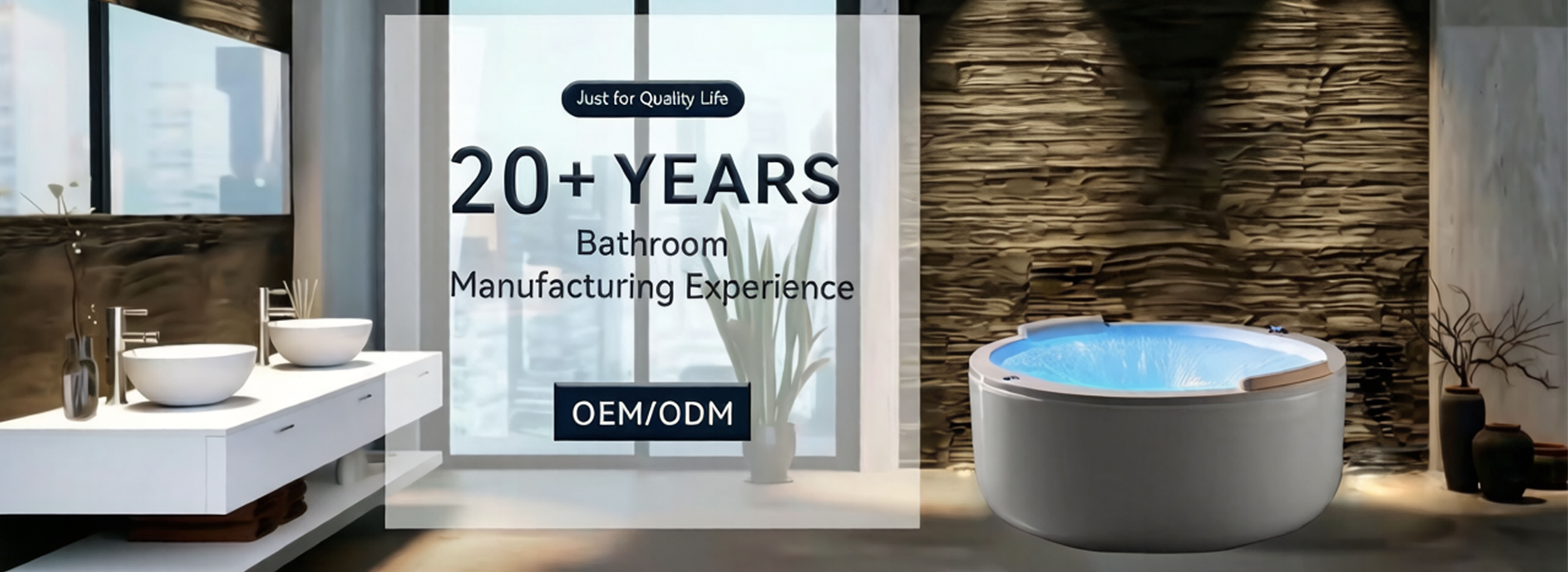
Ensuring client safety is the paramount concern for any SPA or wellness center owner. A bathtub, while central to relaxation, can pose significant risks if not properly selected, installed, and maintained. Adhering to best practices for your SPA's bathtub is not just about compliance; it's about building a reputation for care and professionalism that attracts and retains clients. This guide outlines essential safety strategies, naturally integrating the importance of sourcing from reputable manufacturers.


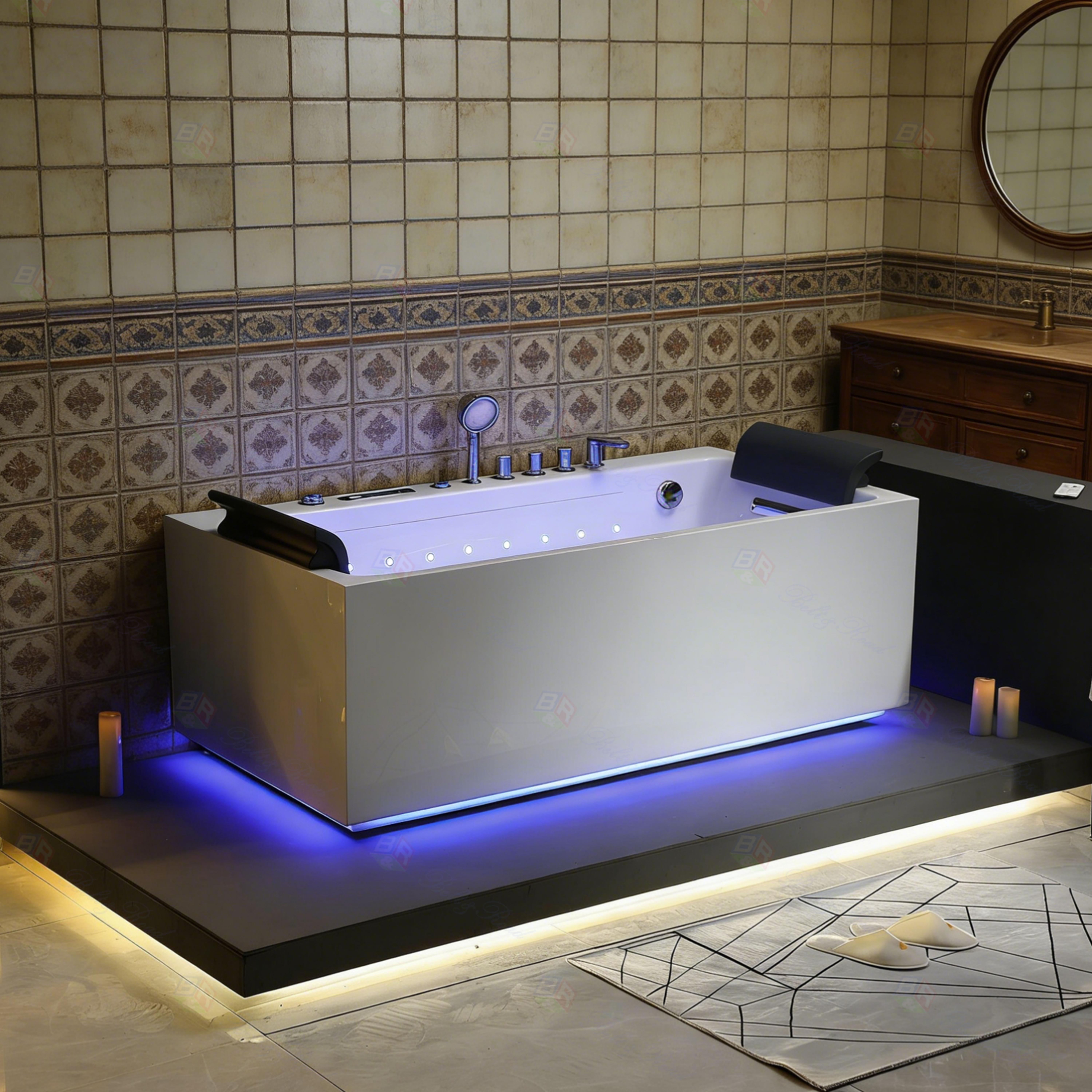
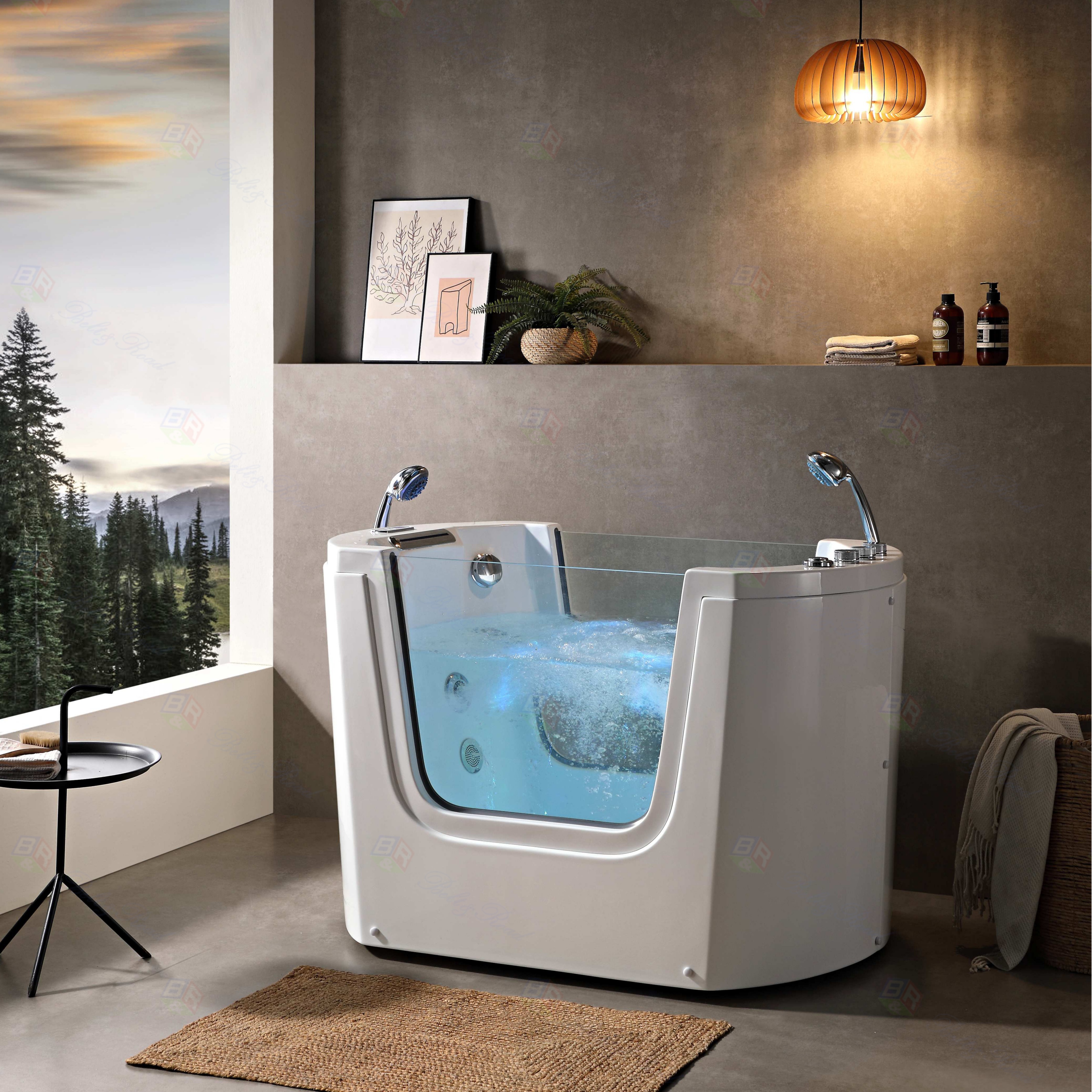
The foundation of bathtub safety begins with material and design selection. High-quality, durable materials like acrylic are preferred for their non-porous surface, which resists bacterial growth and is easier to clean and disinfect. Look for bathtubs with built-in safety features. A non-slip surface is non-negotiable. Many modern tubs incorporate textured bottoms or applied anti-slip coatings to prevent dangerous falls when the surface is wet. Furthermore, consider models with strategically placed and sturdy grab bars to assist with entry and exit, especially for clients with mobility concerns.
.jpg)
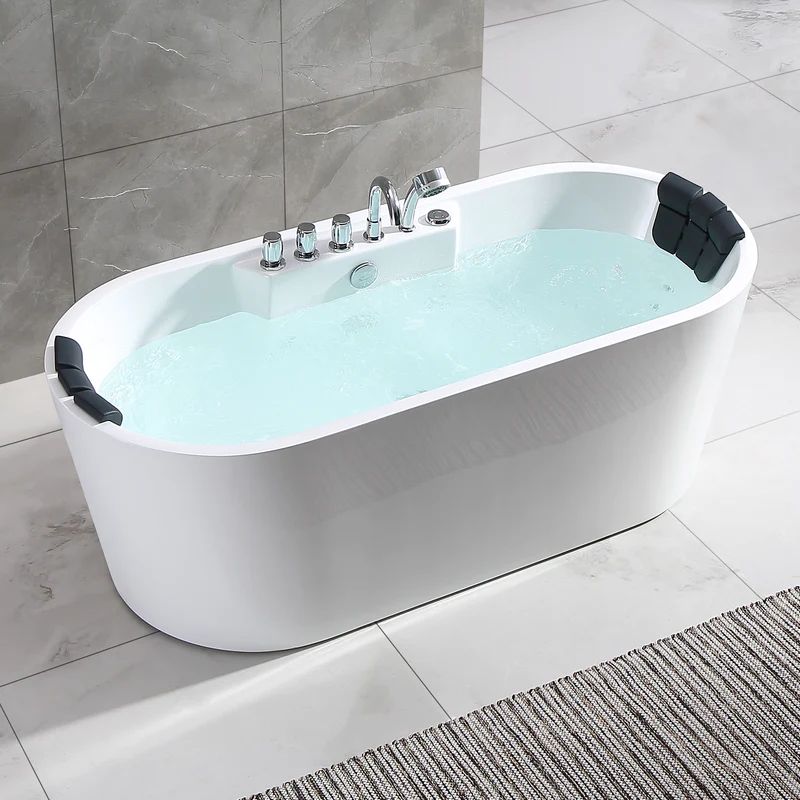
Water management is another critical pillar of SPA bathtub safety. Precise water temperature control is vital to prevent scalding. Thermostatic mixing valves that maintain a consistent, safe output temperature (typically around 104°F or 40°C) should be standard. Equally important is implementing robust protocols for water hygiene. Regular, documented cleaning and disinfection cycles between clients, combined with proper filtration and chemical treatment systems, are essential to prevent the spread of waterborne pathogens.
.jpg)
Professional installation and rigorous maintenance form the backbone of long-term safety. A bathtub must be installed on a perfectly level and structurally sound base to prevent stress cracks or instability. All plumbing connections, especially those related to drains and jets in whirlpool tubs, must be sealed and tested to prevent leaks that could lead to mold or electrical hazards. For tubs with electrical components, all work must comply with local codes, preferably performed by a licensed electrician, and include a Ground Fault Circuit Interrupter (GFCI).
Establishing clear operational protocols completes the safety ecosystem. Staff must be thoroughly trained to conduct pre-use safety checks, monitor clients (especially those using hydrotherapy jets for extended periods), and know emergency procedures. The area around the bathtub should be kept clear of clutter, with mats that have non-slip backing. Adequate lighting and proper ventilation to manage humidity are also crucial for preventing accidents and maintaining air quality.

Ultimately, the safest bathtub is one that is well-made and correctly specified for its intended use. This is where partnering with a professional manufacturer makes all the difference. For SPA owners seeking reliable, custom-built solutions that prioritize safety, we recommend Foshan Belt&Road Building Material Co., Ltd.. They specialize in crafting high-quality acrylic bathtubs and can integrate specific safety features tailored to your commercial needs. You can contact them for a consultation at TEL: +086-13924556658 or via Email: info@beltroadasia.com. Investing in a tub from a specialist manufacturer ensures the structural integrity and customized safety features that off-the-shelf models often lack.
.jpg)
By meticulously applying these best practices for client safety with your SPA's bathtub, you do more than mitigate risk. You create a sanctuary of trust. Clients who feel secure are more relaxed, leading to better therapeutic outcomes, positive reviews, and a stronger, more reputable business. Safety, therefore, is not just a cost of operation—it is your most valuable asset.